
Remote Greek islands
Remote Greek islands offer a different side of Greece, one that feels far removed from busy resorts, crowded beaches and well-trodden tourist routes. Reaching them often requires extra time and planning, but that distance is part of the appeal. For travellers seeking seclusion, authenticity and a stronger connection to the natural environment, the most remote islands can provide an experience that feels worlds away from the country’s better-known destinations.
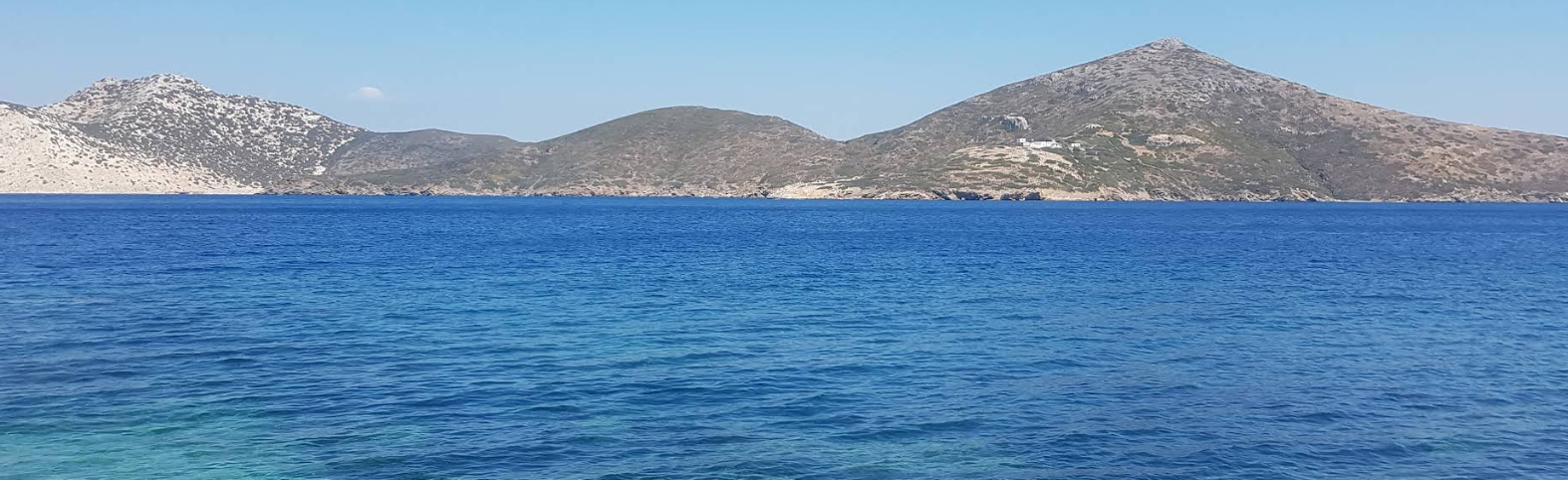
| Island – Description |
|---|
| Agathonisi — Located on the far eastern edge of the Aegean close to the Turkish coast and far from Greece’s major island centres. |
| Antikythera — Sits between Crete and the Peloponnese in one of the most geographically isolated positions in Greece. |
| Farmakonisi — Tiny frontier island positioned on the extreme eastern edge of the Greek island world. |
| Gavdos — Greece’s southernmost inhabited island and one of its most geographically remote. |
| Kasos — Located between Crete and Karpathos with a strong sense of physical separation from major centres. |
| Kastellorizo — The strongest candidate in the entire master list, located far from the rest of the Dodecanese and almost at the eastern limit of Greece. |
| Kinaros — Tiny and exceptionally remote island situated between larger island groups. |
| Levitha — One of Greece’s most remote inhabited islands with very limited connections. |
| Strongyli — Tiny frontier island on the far southeastern edge of Greek territory. |
| Agios Efstratios — Remote northern Aegean position and limited transport links create substantial geographic remoteness. |
| Arkoi — Peripheral eastern Aegean location contributes to genuine remoteness. |
| Fournoi — Remote island cluster situated away from major tourism and transport corridors. |
| Leipsoi (Lipsi) — Peripheral Dodecanese location places it well away from Greece’s principal centres. |
| Marathi — Tiny island in a remote eastern Aegean setting. |
| Oinousses — Northeastern Aegean position creates notable geographic remoteness. |
| Psara — Western Aegean location and limited connectivity contribute to remoteness. |
| Thymaina — Small island positioned away from major transport networks. |
Hard to get to, is it for you?
Remote Greek islands are generally best suited to travellers and future residents who are willing to trade convenience for seclusion, authenticity, and a stronger sense of discovery. They tend to appeal to independent travellers, repeat visitors to Greece, nature enthusiasts, photographers, sailors, writers, remote workers, and anyone seeking an experience that feels far removed from busy tourist centres. People drawn to remote islands are often looking for quieter beaches, smaller communities, slower rhythms of life, and landscapes that remain relatively untouched by large-scale tourism. These destinations can be particularly rewarding for those who enjoy exploring, hiking, boating, stargazing, or simply disconnecting from the demands of everyday life. They are usually less suited to travellers who prioritise nightlife, luxury resorts, extensive amenities, frequent transport connections, or a packed itinerary of organised activities. For many people, the attraction of a remote Greek island lies in the feeling of truly getting away from it all, experiencing a more peaceful and authentic side of the Greek islands where tranquillity, simplicity, and a sense of place take centre stage.
Back to Location
The Greek Island Directory is a project of passion where a love of Crete, Data Integrity and Directories converge to create something truly special for users: Learn More.
Last Updated on June 2, 2026 by admin