
Old money Greek islands
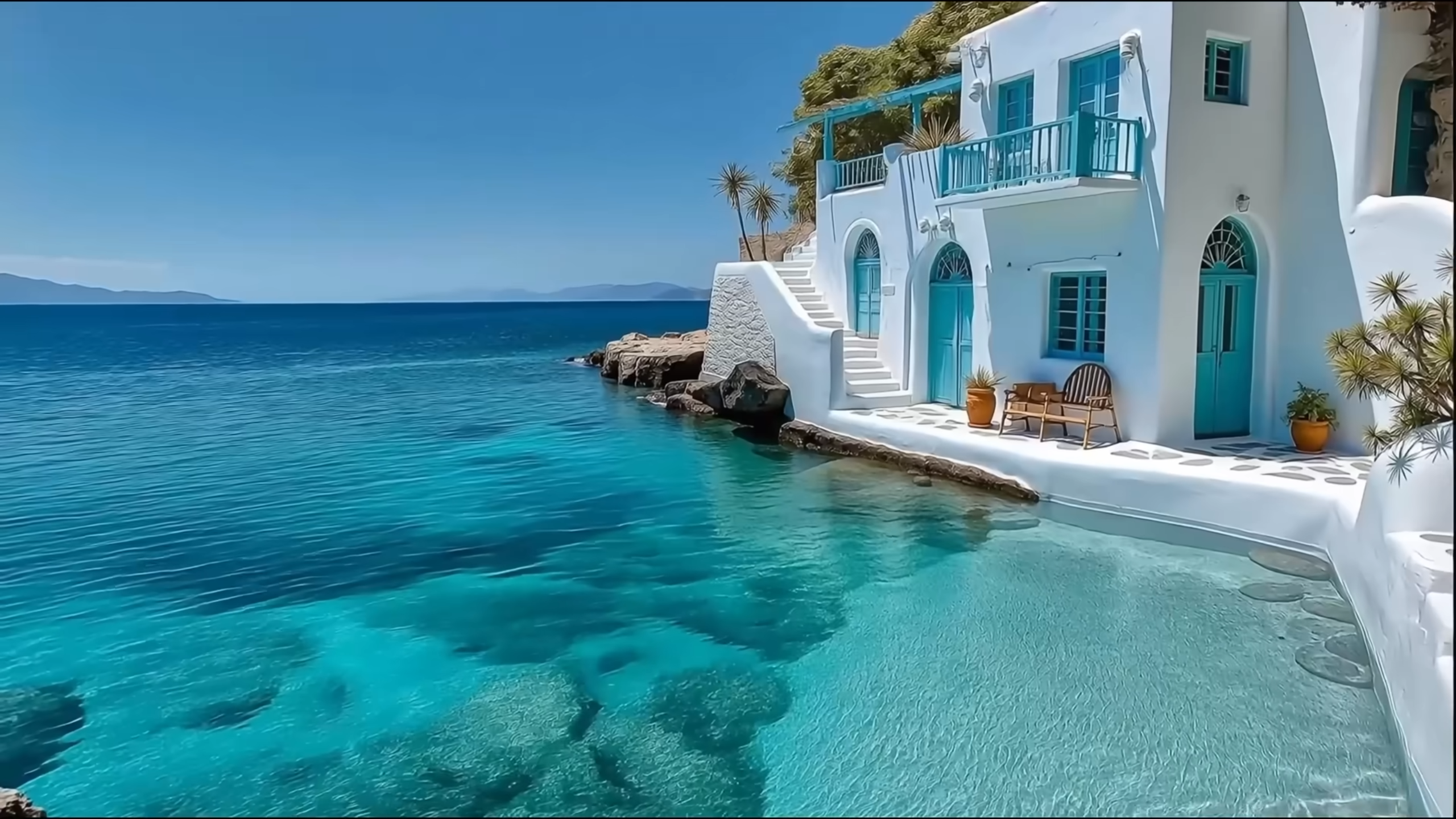
Old money Greek islands are Greek islands associated with understated luxury, long-established prestige, elegant architecture, and a refined atmosphere rather than modern glamour or celebrity appeal. Evidence such as historical significance, heritage estates, exclusive communities, preserved character, and a reputation for discreet high-end tourism is used where appropriate to determine which islands fit the category.
| Island – Description |
|---|
| Corfu – Centuries of Venetian, British, and aristocratic influence, grand estates, historic mansions, prestigious clubs, and an enduring reputation for refined wealth make Corfu Greece’s strongest old-money island. |
| Hydra – Historic shipping fortunes, preserved merchant mansions, influential Greek families, art patrons, and a discreet atmosphere create one of Greece’s clearest examples of old-money prestige. |
| Kea – Long favoured by wealthy Athenians for second homes, Kea is known for understated luxury, private villas, sailing culture, and an affluent clientele that generally avoids publicity. |
| Spetses – Historic naval wealth, elegant mansions, horse-drawn carriages, yacht culture, and generations of prominent Greek families give the island a distinctly old-money character. |
| Andros – Historic shipping dynasties, impressive neoclassical mansions, wealthy maritime families, and strong cultural institutions create a deeply established tradition of inherited wealth, although the island receives less international recognition than Hydra or Spetses. |
| Chios – Generations of influential shipping families, grand estates, and one of Greece’s most important maritime histories give Chios genuine old-money credentials, although its tourism profile remains relatively modest. |
| Patmos – Elegant waterfront homes, discreet luxury, a sophisticated international clientele, and long-standing appeal among affluent intellectuals create a refined atmosphere, although wealth here is less deeply rooted in Greek aristocratic tradition. |
| Syros – Ermoupoli’s merchant wealth, neoclassical architecture, historic trading importance, and prosperous nineteenth-century legacy give the island a strong old-money heritage, although modern tourism focuses less on luxury. |
For generations
Old money Greek islands are best suited to travellers who appreciate understated luxury, heritage, and timeless elegance rather than flashy displays of wealth. They particularly appeal to affluent couples, multi-generational families, seasoned luxury travellers, yacht owners, and visitors who value privacy, exclusivity, historic architecture, refined dining, sailing, art, and cultural experiences over nightlife and social media trends. Evidence from luxury tourism research consistently shows that high-net-worth travellers increasingly favour authenticity, discretion, personalised service, and cultural richness above overt prestige, with many preferring destinations known for tradition, quality, and a long-established reputation. As a result, this type of destination is ideal for travellers seeking a sophisticated atmosphere where wealth is reflected through heritage, craftsmanship, and exceptional hospitality rather than extravagance or conspicuous consumption.
Back to Cheap Greek islands
The Greek Island Directory is a project of passion where a love of Crete, Data Integrity and Directories converge to create something truly special for users: Learn More.
Last Updated on June 27, 2026 by admin