
Greek islands with white and blue buildings
Greek islands with white and blue buildings are Greek islands known for their traditional whitewashed architecture accented by blue-painted doors, windows, shutters, domes, and other features that have become an iconic part of Greece’s island landscape. Evidence such as preserved architectural styles, historic settlements, local building traditions, and verified visual documentation is used where appropriate to determine which islands fit the category.
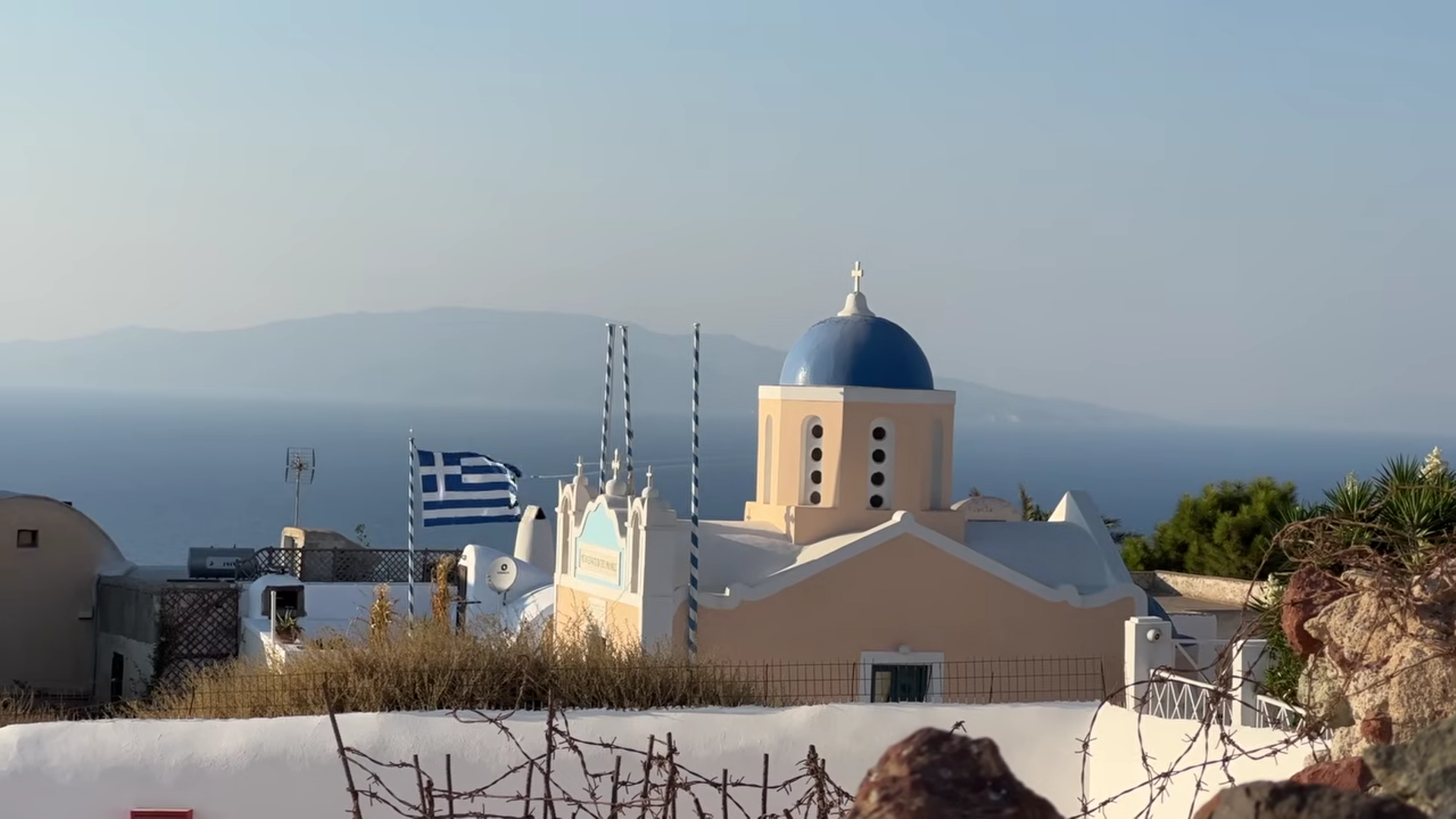
| Island – Description |
|---|
| Santorini – Santorini is the world’s most iconic example of whitewashed buildings with blue domes and blue architectural accents throughout its famous villages. |
| Mykonos – Mykonos is internationally recognised for its white Cycladic houses complemented by blue doors, shutters, balconies, and trim across Mykonos Town. |
| Paros – Paros showcases classic Cycladic settlements where whitewashed buildings and blue-painted architectural details are widespread. |
| Naxos – Naxos features numerous traditional villages with the classic white-and-blue Cycladic aesthetic. |
| Antiparos – Antiparos preserves a compact Cycladic town where white buildings and blue accents dominate the streetscape. |
| Sifnos – Sifnos is well known for elegant Cycladic villages featuring whitewashed homes with blue-painted doors, windows, and decorative details. |
| Amorgos – Traditional villages display a strong white-and-blue Cycladic character. |
| Anafi – Anafi preserves authentic whitewashed Cycladic architecture with blue accents. |
| Andros – Andros combines Cycladic architecture with many white buildings featuring blue-painted details. |
| Ano Koufonisi – Ano Koufonisi contains charming whitewashed buildings accented with blue throughout Chora. |
| Folegandros – Folegandros’ hilltop Chora displays classic white-and-blue Cycladic architecture. |
| Ios – Ios features whitewashed villages where blue doors and shutters are common. |
| Irakleia – Irakleia retains a simple Cycladic settlement with white-and-blue traditional buildings. |
| Kea – Kea includes whitewashed settlements with blue architectural features despite its distinctive local style. |
| Kimolos – Kimolos has attractive white villages with frequent blue-painted details. |
| Kythnos – Kythnos maintains traditional Cycladic villages characterised by white-and-blue buildings. |
| Milos – Milos features white fishing villages and Cycladic settlements with numerous blue-painted buildings. |
| Schinoussa – Schinoussa exhibits authentic white-and-blue Cycladic architecture. |
| Serifos – Serifos’ Chora displays the classic Cycladic white-and-blue appearance. |
| Syros – Syros combines neoclassical architecture with traditional white-and-blue Cycladic neighbourhoods. |
| Tinos – Tinos contains numerous whitewashed villages where blue-painted details are common. |
The colors of Greece
Greek islands with white and blue buildings are best suited to travellers looking to experience the timeless architecture and postcard-perfect scenery that have become defining images of the Greek islands. They particularly appeal to first-time visitors, couples, honeymooners, photographers, architecture enthusiasts, artists, and social media creators seeking picturesque villages, charming streets, and memorable coastal views. Evidence from tourism and destination marketing research consistently shows that distinctive architecture is one of the strongest drivers of destination appeal, with the combination of whitewashed buildings and blue-painted architectural features widely recognised as an iconic symbol of Greece. This traditional aesthetic not only creates striking visual contrast against the sea and sky but also reflects local architectural heritage in many island communities, making these destinations an excellent choice for travellers who value beauty, culture, and an authentic Mediterranean atmosphere.
Back to Culture
The Greek Island Directory is a project of passion where a love of Crete, Data Integrity and Directories converge to create something truly special for users: Learn More.
Last Updated on June 29, 2026 by admin