
Best Greek islands to avoid crowds
The best Greek islands to avoid crowds are typically quieter, lower-profile destinations across Greece where limited mass tourism, smaller visitor numbers, and less commercial development create a calmer overall atmosphere. These islands are often characterised by uncrowded beaches, slower daily rhythms, and stronger local character, making them especially appealing for travellers prioritising peace, space, and a more relaxed island experience.
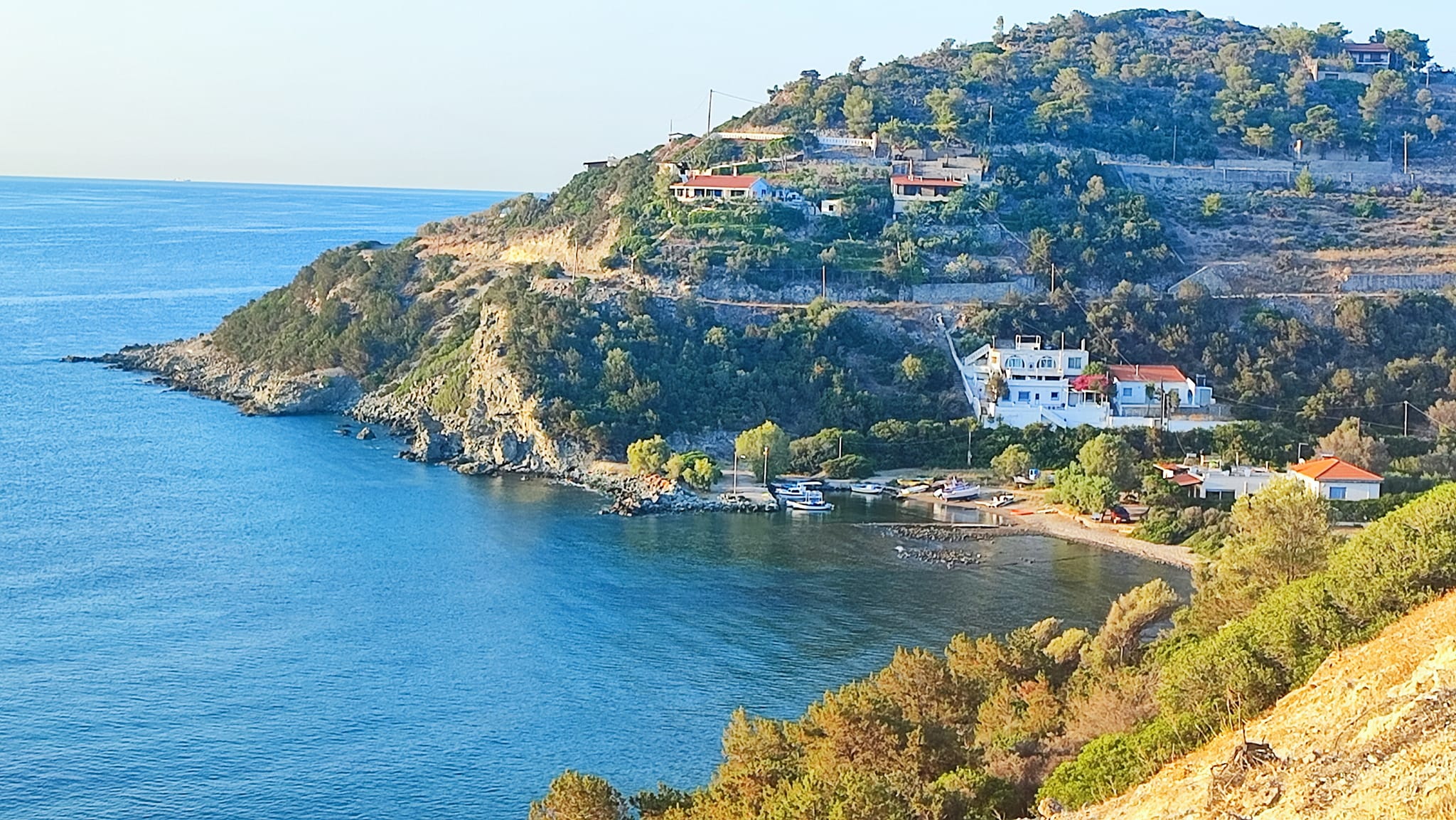
| Island — Reason |
|---|
| Schinoussa — Probably the strongest overall Greek island for avoiding crowds because tourism remains intentionally low-density while still offering enough accommodation, beaches, tavernas, and functionality for a realistic holiday experience. |
| Amorgos — One of the best anti-crowd islands because dramatic scenery, slower tourism rhythms, and more difficult accessibility naturally suppress mass tourism while still delivering a highly rewarding experience. |
| Alonissos — Exceptional for avoiding crowds because environmental protection, lower nightlife intensity, and nature-oriented tourism keep the atmosphere calm even in peak season. |
| Kythira — One of Greece’s strongest low-tourism islands because relative isolation and weaker package-tour integration preserve authenticity and reduce visitor pressure substantially. |
| Andros — Arguably the most underrated major Cycladic island because it combines beaches, villages, hiking, and accessibility without the overtourism intensity seen in Paros, Mykonos, or Santorini. |
| Ikaria — Excellent anti-crowd island because local culture and slow-living rhythms dominate over mainstream tourism infrastructure and commercialisation. |
| Patmos — Strong quieter high-quality island because tourism remains mature, boutique-oriented, and spiritually calmer than mainstream Greek-island hotspots. |
| Sifnos — Popular but still emotionally calmer and more controlled than heavily saturated Cycladic islands, especially outside peak August periods. |
| Kimolos — One of the best quieter alternatives to Milos because it retains Cycladic beauty while avoiding much of the international-tourism intensity. |
| Serifos — Strong anti-crowd Cycladic island because development remains relatively restrained and tourism intensity is materially lower than nearby hotspots. |
| Skyros — Excellent crowd-avoidance island because it sits outside dominant international tourism circuits despite offering beaches, villages, and strong local identity. |
| Karpathos — Large enough to absorb tourism comfortably while remaining substantially less crowded than Rhodes or Kos. |
| Kasos — One of Greece’s least crowded inhabited islands because remoteness and difficult accessibility naturally suppress tourism volume almost entirely. |
| Tilos — Excellent eco-oriented quiet island because tourism remains small-scale, sustainable, and low-density. |
| Leipsoi (Lipsi) — Strong low-pressure island because tourism exists but remains regional, calm, and highly manageable. |
| Chios — One of the strongest larger islands for avoiding crowds because tourism levels remain surprisingly low relative to the island’s cultural depth and size. |
| Lesbos (Lesvos) — Excellent authenticity island because tourism disperses widely and remains far below the saturation levels of Greece’s most internationally famous islands. |
| Samothrace — Particularly strong for nature-oriented travellers because waterfalls, mountains, and alternative tourism culture prevent mainstream crowd concentration. |
| Fournoi — One of the quietest inhabited island groups in Greece because infrastructure and tourism remain intentionally minimal and fishing-oriented. |
| Donousa — Excellent slow-travel island because remoteness and smaller-scale infrastructure naturally limit tourism density. |
| Irakleia — One of the calmest islands in the Cyclades because tourism pressure remains extremely low and development minimal. |
| Anafi — Strong anti-crowd alternative to Santorini because it preserves dramatic Cycladic atmosphere without large-scale tourism pressure. |
The best way to avoid people
The best Greek islands to avoid crowds are best suited to travellers and prospective residents who want a calmer, lower-pressure experience without sacrificing overall quality or atmosphere. The strongest low-crowd islands usually balance quieter environments with enough infrastructure to remain comfortable and functional, rather than feeling isolated or inconvenient. For travellers, this creates more relaxed beaches, easier movement, quieter dining, and a slower daily rhythm without constant competition for space. For residents, lower-density islands often support a more sustainable and peaceful lifestyle, especially outside peak tourism periods. The trade-off is reduced intensity — quieter islands generally have less nightlife, fewer luxury options, weaker transport links, and smaller service networks than major tourism hubs. Overall, the best islands for avoiding crowds suit people who value calm, simplicity, and breathing room over social energy, nonstop activity, or highly developed tourism environments.
Back to Greek islands to Avoid
The Greek Island Directory is a project of passion where a love of Crete, Data Integrity and Directories converge to create something truly special for users: Learn More.
Last Updated on May 25, 2026 by admin