
Greek islands with the Best Beaches
Greek islands with the Best Beaches like Milos, Zakynthos, Crete, Mykonos, and Naxos are hard to beat, with everything from bright turquoise water and soft sand to wild cliffs and hidden coves.
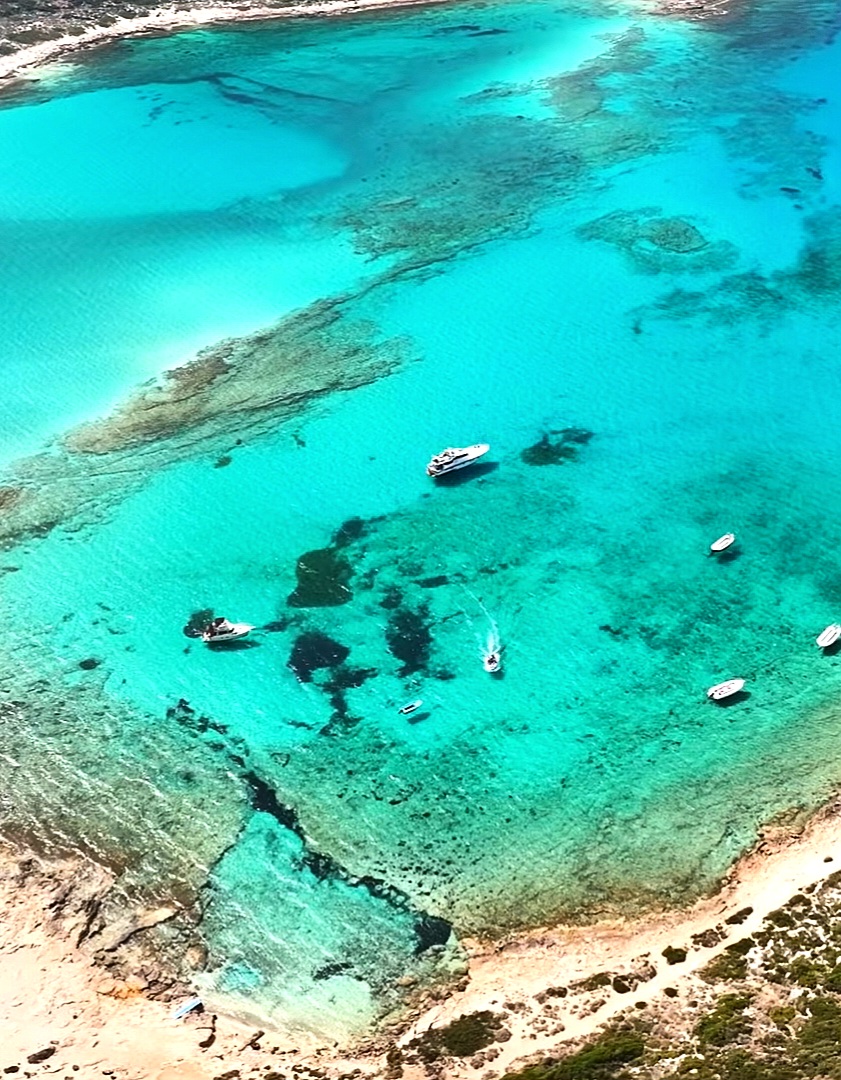
| Island — Beach Description |
|---|
| Crete — The strongest overall beach island in Greece because of sheer diversity and scale: exotic lagoons, remote coves, pink-sand beaches, palm beaches, dramatic cliffs, wild south-coast beaches, and huge sandy bays all exist on one island. |
| Naxos — The best all-round Cycladic beach island, balancing enormous sandy beaches, excellent swimming, watersports, authenticity, accessibility, and consistency across the coastline. |
| Milos — Arguably Greece’s most visually unique beach island, with surreal volcanic formations, hidden coves, lunar landscapes, caves, and extraordinary geological diversity. |
| Skiathos — One of Greece’s purest “beach islands,” with an exceptional concentration of beautiful, swimmable, accessible beaches backed by pine forest. |
| Zakynthos — Combines iconic scenery, turquoise Ionian water, dramatic cliffs, marine life, and major sandy bays to create one of Greece’s most globally recognisable beach landscapes. |
| Lefkada — Home to some of the country’s most visually spectacular beaches, especially where towering white cliffs meet electric-blue water. |
| Mykonos — Despite commercialization, the quality, energy, and concentration of famous beaches remain elite by Mediterranean standards. |
| Paros — Exceptionally versatile beach island with beaches suited to families, swimmers, windsurfers, couples, and quieter travellers alike. |
| Ios — Consistently underrated relative to Mykonos and Santorini, with some of the Cyclades’ best broad sandy beaches and excellent swimming conditions. |
| Kefalonia — One of Greece’s most dramatic beach islands, where mountainous scenery, turquoise water, caves, and striking coastline create extraordinary visual impact. |
| Corfu — Strong beach diversity combined with lush scenery, dramatic west-coast cliffs, and calmer family-friendly beaches elsewhere. |
| Rhodes — Huge beach variety, excellent infrastructure, warm water, and reliable weather make it one of Greece’s strongest overall beach destinations. |
| Ano Koufonisi — Tiny but elite for beach purity, walkability, shallow turquoise water, and relaxed atmosphere. |
| Elafonisos — Small in scale but world-class for raw beach beauty and sand quality. |
| Karpathos — One of Greece’s best islands for wild, dramatic, less-commercialised beaches with powerful scenery and strong wind/water conditions. |
| Thassos — Unique combination of green mountain scenery and excellent sandy beaches. |
| Kos — Highly reliable beach island with long sandy stretches, excellent swimming, and broad accessibility. |
If you want the best island beaches:
“Best beaches” in Greece isn’t a single category—it depends on how you plan to use them. If you want comfort and long, low-effort days, sandy beaches with gradual entry are the best fit. If water quality is the priority, pebble or mixed beaches typically offer clearer, deeper water with less sediment. For scenery, cliff-lined or rugged coasts deliver stronger visual impact but usually require more effort to access. Families tend to benefit most from wide, sheltered beaches with easy entry and nearby amenities, while confident swimmers often prefer less developed spots with cleaner water and fewer crowds. Wind exposure, orientation, and season also matter—some beaches are consistently calmer or more usable than others depending on conditions. The mistake is chasing reputation alone; the “best” beach is the one that aligns with how long you’ll stay, how you swim, and how much effort you’re willing to trade for scenery or solitude.
Back to Beaches
The Greek Island Directory is a project of passion where a love of Crete, Data Integrity and Directories converge to create something truly special for users: Learn More.
Last Updated on July 15, 2026 by admin