
Greek islands near Ephesus
Greek islands near Ephesus are located in the eastern Aegean Sea close to the western coast of Turkey. These islands are geographically positioned near the Anatolian mainland and are historically connected to the wider cultural and maritime networks of ancient Ionia, making them especially relevant for travellers combining Greek island travel with archaeological tourism in western Turkey.
| Island — Description |
|---|
| Samos — Approximately 55–70 km from Ephesus because the island sits directly opposite Kuşadası, the main Turkish gateway used for visiting the ancient site. |
| Patmos — Approximately 80–100 km from Ephesus because ferries and maritime routes connect the island relatively closely to the Kuşadası region. |
| Leros — Approximately 90–110 km from Ephesus because the island lies within the eastern Dodecanese near the western Turkish coast. |
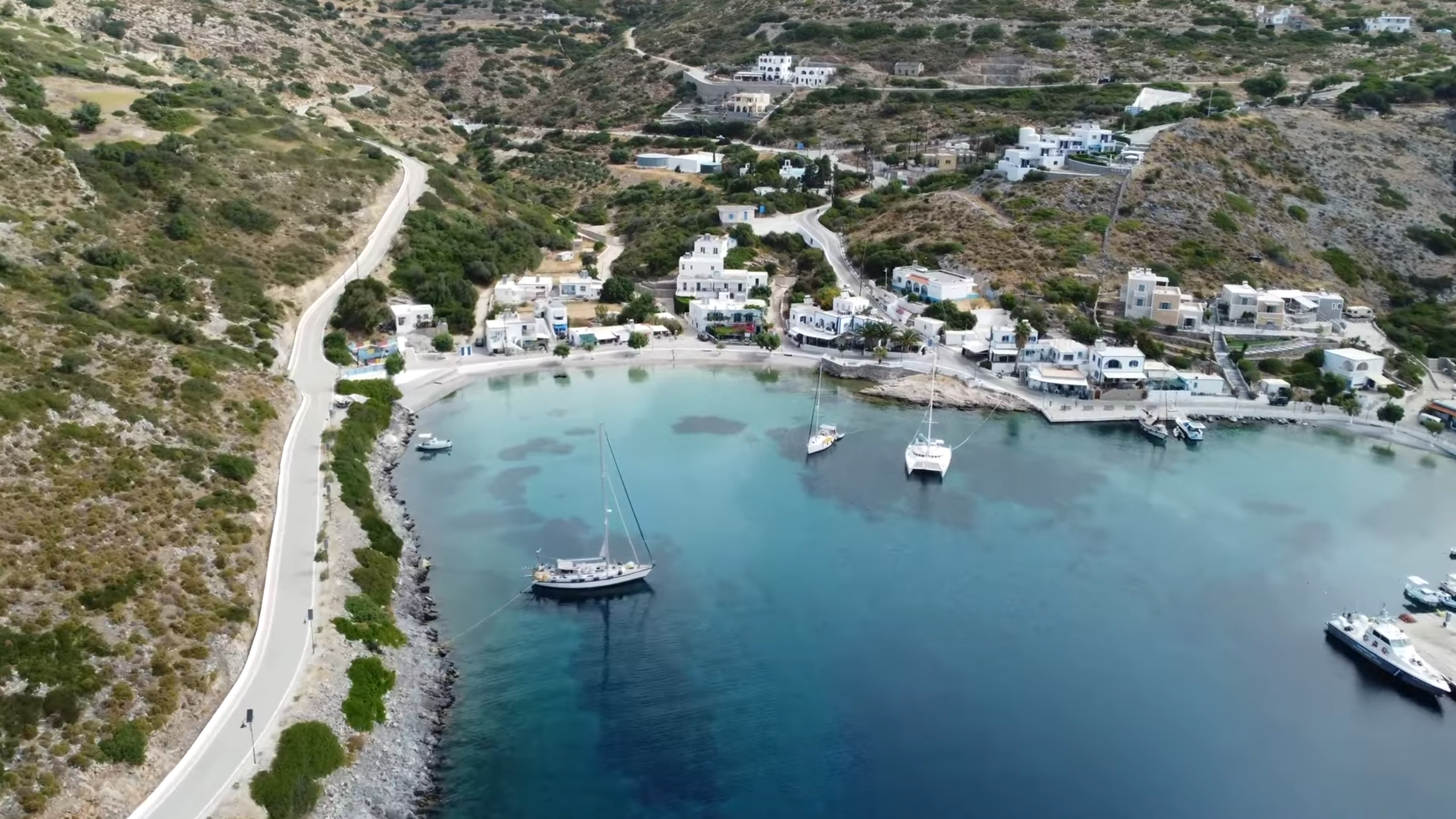
| Agathonisi — Approximately 35–50 km from Ephesus because the island sits very close to the Turkish mainland north of Samos. |
| Fournoi — Approximately 70–90 km from Ephesus because the island group lies between Samos and Ikaria near the western Anatolian coastline. |
| Kalymnos — Approximately 100–120 km from Ephesus because it lies southeast of Bodrum along the Turkish-facing Dodecanese chain. |
| Kalymnos — Approximately 20 km from Turkey because it lies west of the Bodrum Peninsula within the eastern Dodecanese. |
| Kos — Approximately 95–120 km from Ephesus because the island sits opposite Bodrum and relatively near the western Anatolian archaeological corridor. |
| Chios — Approximately 110–130 km from Ephesus because the island faces the İzmir–Çeşme region of western Turkey. |
| Lesbos (Lesvos) — Approximately 140–170 km from Ephesus because the island lies opposite the northern Aegean coast of Anatolia. |
For those interested in History
Greek islands near Ephesus are best suited to travellers and prospective residents who want to combine Greek island life with access to one of the eastern Mediterranean’s most significant ancient sites. Their proximity to the Turkish coast creates a more culturally layered atmosphere, with strong eastern Aegean influences visible in food, architecture, and daily life. For travellers, this makes them especially appealing for combined Greece–Turkey itineraries focused on history, archaeology, coastal scenery, and slower-paced exploration rather than purely resort-style tourism. For residents, the region can offer a more regionally connected and less centralised lifestyle, though with greater dependence on ferries and longer-distance transport to mainland Greece. The trade-off is accessibility — eastern Aegean islands are often farther from major western European flight networks and can require more planning. Overall, islands near Ephesus suit people who value history, regional identity, and cultural depth over convenience or high-intensity tourism.
Back to Access
The Greek Island Directory is a project of passion where a love of Crete, Data Integrity and Directories converge to create something truly special for users: Learn More.
Last Updated on May 25, 2026 by admin