
Greek islands to avoid Mosquitos
Greek islands to avoid mosquitos are generally the drier, windier, and less vegetated destinations across Greece, particularly those with limited freshwater sources, strong summer breezes, and arid landscapes. Mosquito activity tends to be lower on islands with less standing water, fewer wetlands, and stronger coastal airflow, while greener or more humid islands are typically more prone to seasonal mosquito presence.
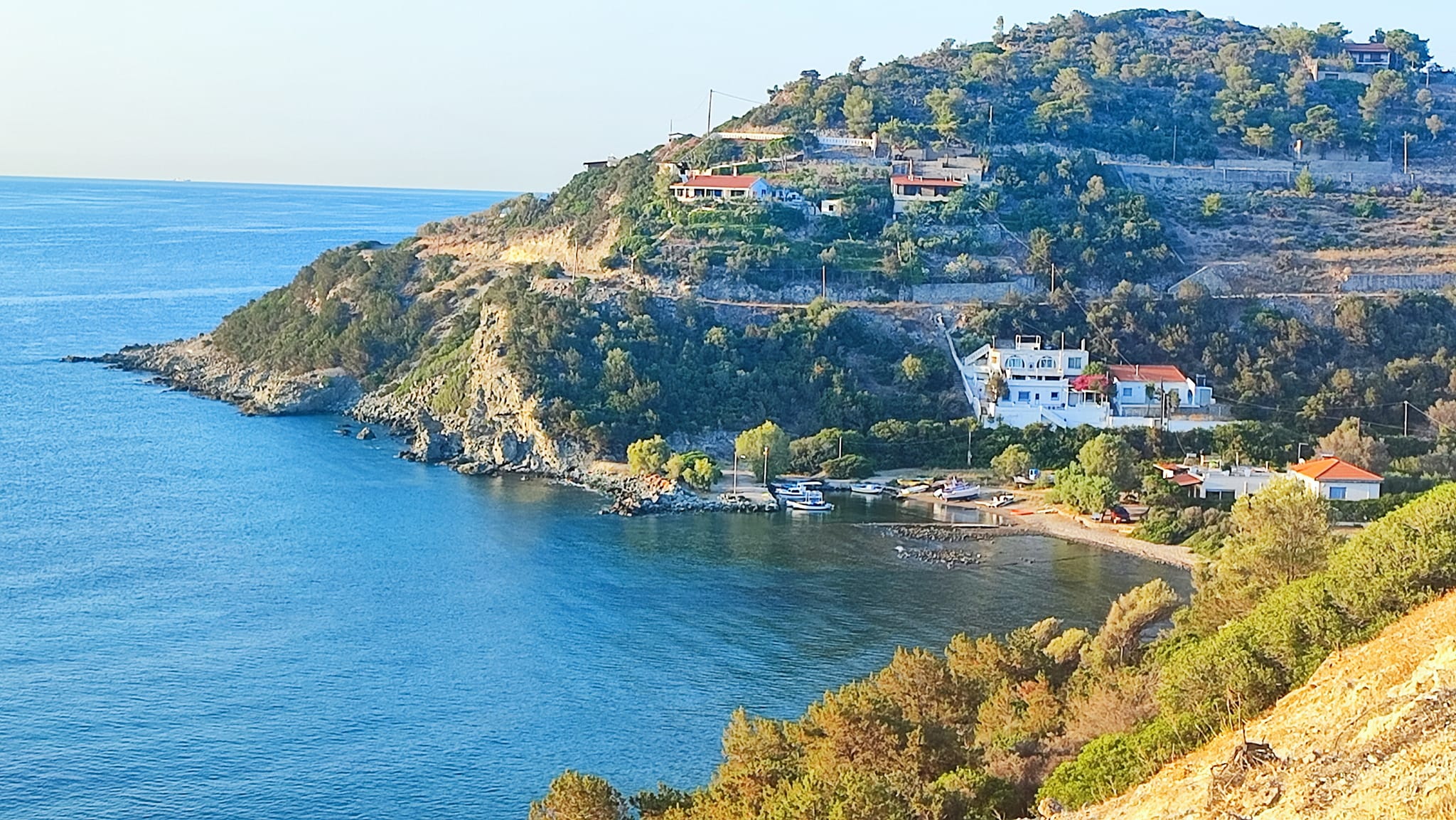
| Island — Reason |
|---|
| Folegandros — Probably one of the strongest overall islands for avoiding mosquitoes because the island is dry, rocky, windy, sparsely vegetated, and lacks major wetland systems or freshwater stagnation zones. |
| Anafi — Extremely strong anti-mosquito island because aridity, wind exposure, low vegetation density, and limited standing water naturally suppress mosquito populations. |
| Amorgos — One of the best Cycladic islands for avoiding mosquitoes because rugged terrain, strong Meltemi exposure, low humidity, and limited wetland environments reduce breeding conditions substantially. |
| Sikinos — Strong low-mosquito island because tourism remains small-scale, the landscape is dry and exposed, and freshwater stagnation is limited. |
| Serifos — Excellent anti-mosquito Cycladic island because dry hillsides, wind exposure, and relatively restrained vegetation reduce mosquito intensity. |
| Kythnos — Generally performs well because the island is dry, breezy, and lacks the heavy wetland ecosystems associated with severe mosquito pressure. |
| Kimolos — Strong quieter Cycladic island where dry volcanic terrain and wind exposure suppress mosquito density compared with greener islands. |
| Milos — Usually better than greener islands because volcanic dryness and open exposure reduce humidity and stagnant-water concentration. |
| Syros — One of the strongest practical anti-mosquito islands because urbanisation, dryness, and relatively limited wetland geography reduce mosquito prevalence materially. |
| Tinos — Strong anti-mosquito island because strong northern winds and exposed terrain significantly reduce mosquito activity during peak summer. |
| Ios — Performs relatively well because dry terrain and strong seasonal winds reduce humidity and mosquito breeding conditions. |
| Santorini — Despite overtourism, it is structurally one of the better islands for avoiding mosquitoes because volcanic dryness, limited freshwater systems, and exposed terrain suppress mosquito habitats. |
| Astypalaia — Strong dry-island candidate because low humidity and exposed Dodecanese geography reduce mosquito density compared with greener islands. |
| Kasos — One of the least mosquito-prone inhabited islands because of aridity, remoteness, and very limited wetland geography. |
| Karpathos — Performs relatively well overall because strong winds and rugged terrain offset some greener localised zones. |
Insects as a downside
Greek islands to avoid mosquitos are best suited to travellers and prospective residents who prioritise comfort, sleep quality, and lower insect exposure during warmer months. In practice, mosquito levels are usually influenced more by environment and season than by the island itself — areas with wetlands, standing water, lakes, dense vegetation, or high humidity tend to attract more mosquitos, while drier, windier, and more exposed islands generally experience fewer. For travellers, lower-mosquito environments make evenings, outdoor dining, and beachside stays more comfortable, especially during peak summer. For residents, reduced insect activity can noticeably improve long-term day-to-day livability. The trade-off is environmental balance — greener, more fertile islands often have softer landscapes and more natural shade, but also higher mosquito potential. Overall, islands best for avoiding mosquitos tend to suit people who value dry climates, airflow, and lower humidity over lush vegetation or wetland-style environments.
Back to Greek islands to Avoid
The Greek Island Directory is a project of passion where a love of Crete, Data Integrity and Directories converge to create something truly special for users: Learn More.
Last Updated on May 25, 2026 by admin