
Greek Islands with Sand
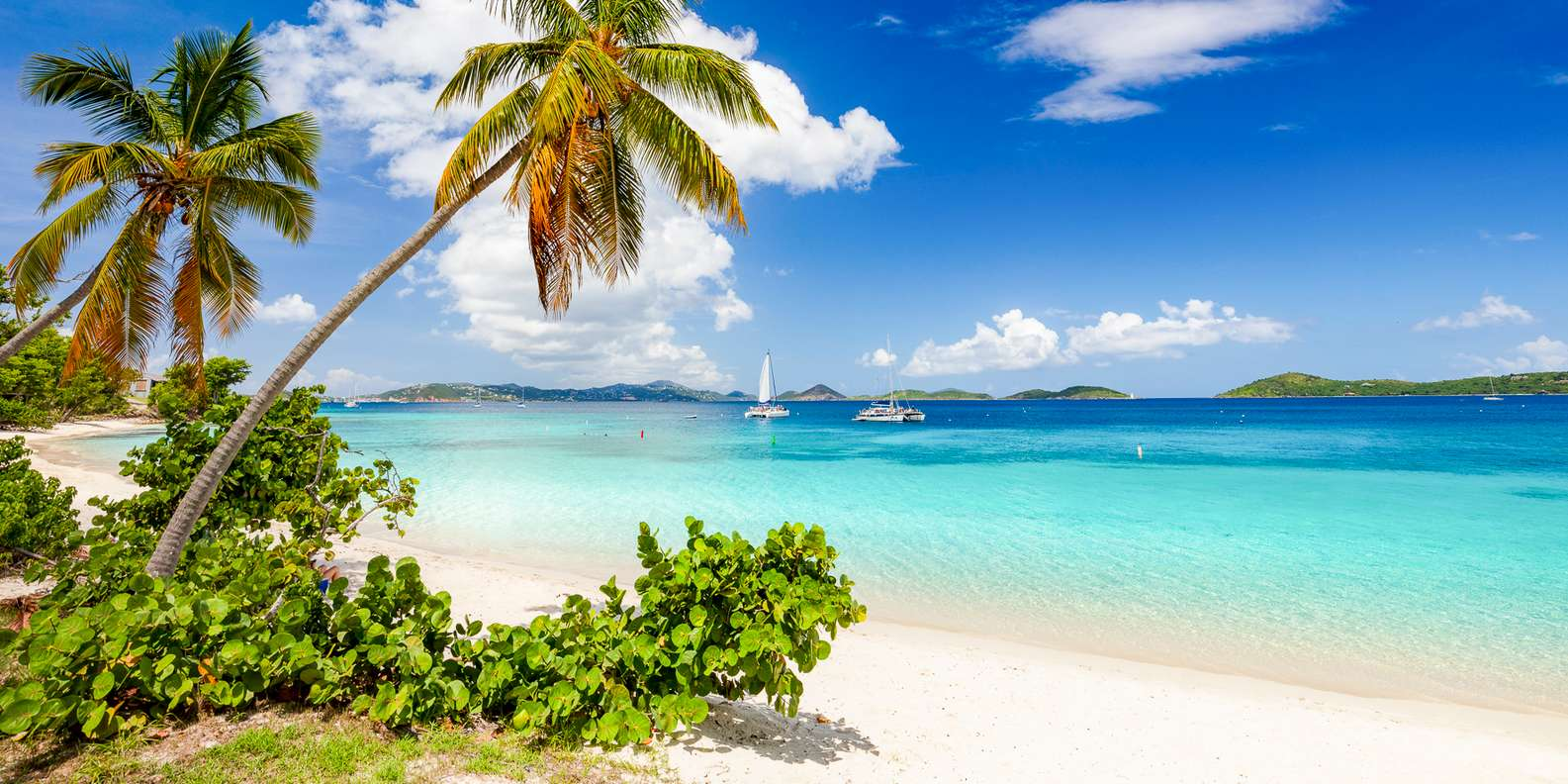
Greek islands with sand are found across multiple island groups in Greece, particularly in destinations known for long beaches, shallow coastlines, and softer terrain. These islands are often more beach-oriented than rocky or cliff-heavy destinations, with coastal environments shaped around swimming, relaxation, and accessible seaside tourism rather than dramatic geology or rugged landscapes.
| Island | Description |
| Naxos — Probably the strongest overall “sandy island” in Greece thanks to its exceptionally long west-coast beach system featuring continuous stretches of fine golden sand. |
| Paros — Defined by numerous high-quality sandy beaches distributed around the island, especially on the eastern and southeastern coasts. |
| Antiparos — Small but strongly sand-oriented, with many soft sandy coves and shallow beaches relative to its size. |
| Ios — One of the Cyclades’ premier sandy-beach islands, combining long open beaches with fine golden sand and clear shallow water. |
| Mykonos — Internationally famous for its extensive collection of sandy beaches, many of which are naturally wide and soft-sanded. |
| Koufonisia (Ano Koufonisi) — Known for Caribbean-like sandy beaches with bright turquoise shallows and soft pale sand concentrated along the coast. |
| Schinoussa — Quiet but unusually sand-rich for a small Cycladic island, with multiple soft sandy bays. |
| Donousa — Contains several highly regarded sandy beaches with fine sand and transparent shallow water typical of the Small Cyclades. |
| Skiathos — One of Greece’s clearest “sand islands,” with dozens of sandy beaches and famously soft golden sand, especially along the southern coast. |
| Thassos — Combines lush greenery with a large number of sandy beaches, especially broad family-friendly stretches uncommon in northern Greece. |
| Lefkada — Included because although famous for dramatic cliffs, it also possesses several iconic large sandy beaches with powdery textures and bright coloration. |
| Zakynthos — Strong sandy credentials due to long sandy bays, turtle-nesting beaches, and extensive soft-sand coastlines. |
| Kefalonia — Mixed coastline overall, but still qualifies because of its concentration of major sandy beaches and long beach systems. |
| Corfu — Especially on the west and north coasts, Corfu has numerous substantial sandy beaches alongside greener Ionian landscapes. |
| Paxos — Excluded from the top tier historically because it is more pebble-oriented overall, but marginally sandy enough in places to warrant consideration. |
| Elafonisos — One of the strongest pure sand cases in Greece, essentially defined by exotic white-sand beaches and dune systems. |
| Crete — Included because of the sheer number and scale of major sandy beaches across the island, despite ecological diversity overall. |
| Kos — Particularly known for long flat sandy beaches, especially along the north and south coasts. |
| Rhodes — Has extensive sandy stretches despite also containing pebble beaches; the eastern side especially supports its inclusion. |
| Karpathos — More mixed and rugged overall, but possesses enough major sandy beaches to sit near the edge of inclusion. |
| Samos — Included cautiously because although often pebbly and green, it still contains multiple major sandy beaches of regional significance. |
| Leros — Contains a surprising number of sandy bays relative to its size and geography. |
| Patmos — Marginal inclusion: not dominantly sandy, but sufficiently associated with sandy coves to warrant mention. |
| Ammouliani — Strong sandy-beach reputation, particularly for shallow turquoise sandy coves in northern Greece. |
| Agistri — Small but notable for pine-backed sandy beaches close to Athens. |
| Kythira — Diverse coastline with a meaningful concentration of sandy beaches across multiple regions. |
| Koufonisia (Kato Koufonisi) — Sparse and undeveloped but strongly sand-associated in beach character. |
Who they suit best:
Greek islands with sand are best suited to travellers and prospective residents who prioritise comfort, accessibility, and easy day-to-day coastal living. Sandy beaches are generally more usable than rocky or cliff-lined alternatives—easier for swimming, walking, lounging, and spending long periods by the water—which makes these islands especially appealing to families, casual swimmers, and longer-stay visitors. For travellers, this supports relaxed, low-friction holidays centred around repeat beach days rather than constant movement. For residents, sandy coastlines contribute to a more comfortable everyday lifestyle and increase the practicality of living near the sea year-round. The trade-off is that sandy areas often attract more development and seasonal demand, which can reduce seclusion and raise costs in peak periods. Overall, islands with sand suit comfort-first people who value usability, ease, and repeatable beach living over rugged scenery or isolation.
Back to Sandy Greek islands
You might also want to check out:
- Greek islands by size
- Greek islands by wind level
- Greek islands by elevation
- Greek islands by island group
- Greek islands by vibe
The Greek Island Directory is a project of passion where a love of Crete, Data Integrity and Directories converge to create something truly special for users: Learn More.
Last Updated on May 29, 2026 by admin