Zakynthos
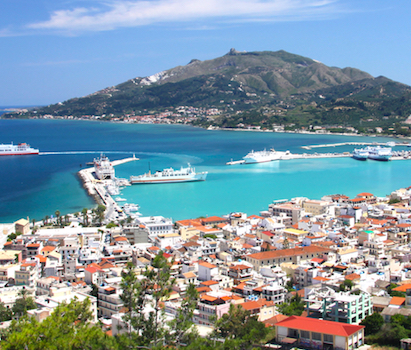
Zakynthos (also known as Zante) is a lush Ionian island known for its bright turquoise water, dramatic limestone cliffs, and famous spots like Navagio (Shipwreck) Beach, with a history shaped by long Venetian rule under the Republic of Venice that still shows in its culture and architecture, while its coastline—especially around Laganas Bay—is also an important habitat for the endangered loggerhead sea turtle, and today it draws a wide mix of visitors with its combination of scenic beaches, lively resort areas, and more relaxed villages beyond the main tourist hubs.
Overview
Zakynthos (also known as Zante) has been inhabited since antiquity and was part of the ancient Greek world, later passing through Roman and Byzantine control, though its most defining historical period came under the Republic of Venice, which ruled the island for several centuries and left a lasting imprint on its culture, architecture, and identity.
After the fall of Venice, Zakynthos moved between French and British control before joining the modern Greek state in the 19th century, developing as a regional centre in the Ionian Islands with a stronger Western European influence than many Aegean islands due to this political history.
Geographically, the island stands out for its contrast between fertile inland plains and rugged limestone coastline, with steep cliffs, sea caves, and clear turquoise waters, while areas like Laganas Bay form an important habitat for the endangered loggerhead sea turtle, now protected through marine conservation measures.
Today, Zakynthos is one of Greece’s most visited islands, known for its iconic beaches (especially Navagio), a mix of high-energy tourism in places like Laganas and quieter villages elsewhere, and a travel profile that combines natural scenery, accessible resorts, and strong seasonal demand.
| Island | Zakynthos • Ζάκυνθος • Zante |
| Demonym | Zakynthian / Zantiot |
| Dialect | Standard Modern Greek with Ionian dialectal influences (historically shaped by Venetian rule). |
| Islands Group | Ionian Islands |
| Sea Group | Ionian Sea |
| Vibe | Lush, beach-focused, and mixed-use; combines high-energy resort zones with quieter rural and coastal areas. |
| Tourism Level | Very high and strongly seasonal, with peak influx in July–August. |
| Cost | Mid-range overall; budget to upscale options depending on area (e.g., Laganas vs. Vasilikos). |
| Best Months | May–June and September–October offer warm weather with fewer crowds. |
| Wind | Generally mild–moderate; less affected by Meltemi compared to Aegean islands. |
| Beach Type | Mostly sandy beaches with some dramatic cliff-backed coves and limestone formations. |
| Food | Ionian cuisine with Venetian influence; includes seafood, olive oil, and local dishes like sofrito and pastitsada. |
| Nightlife | Very active in specific areas (notably Laganas); limited to moderate elsewhere. |
| Family-Friendly | Moderate to high; many suitable beaches and resorts, though some nightlife zones are less family-oriented. |
| Access | International airport and regular ferries from mainland Greece (e.g., Kyllini). |
| Transport | Bus network, taxis, and private transfers; coverage varies outside main routes. |
| Car Rental | Widely available and recommended for exploring the island fully. |
| Roads | Paved main roads; secondary roads can be narrow and variable in quality. |
| Walkability | Low overall; moderate in localised resort towns and Zakynthos Town. |
| Connectivity | Good mobile and internet coverage in populated and tourist areas. |
| Infrastructure | Well-developed for tourism but under seasonal pressure in peak months. |
| Healthcare | General hospital in Zakynthos Town and local clinics; advanced care accessed via mainland Greece. |
| ATM | Widely available in towns and tourist areas. |
| Accommodation | Wide range from large resorts and villas to apartments and budget stays. |
| Typical Stay | Commonly 3–7 days. |
| Population | ~41,000 permanent residents (2021 census, ELSTAT). |
| Expat Community | Moderate, largely tied to tourism and seasonal residence. |
| Property and Living | Active holiday home and rental market; more accessible pricing than premium Cycladic islands. |
| Size | ~405 km² |
| Geography | Fertile island with plains and olive groves inland, and dramatic limestone cliffs and caves along the west coast. |
| Elevation | Highest point ~758 m (Mount Vrachionas). |
| Culture | Strong Ionian identity shaped by long Venetian rule, later Western European influences, and integration into the modern Greek state. |
Back to Islands
Similar Islands:
Corfu • Ithaca • Lefkada • Paxos • Kefalonia
Under:
- Scenic Greek islands, Lively Greek islands, Diverse Greek islands
- Best Greek islands to visit in: May, June, July, August, September;
- Greek islands with Very High Tourism
- Greek islands accessible by Boat
- Greek islands accessible by Ferry
- Greek islands with Domestic Airports
- Greek islands with International Airports
- Greek islands with over 10,000 people
The Greek Island Directory is a project of passion where a love of Crete, Data Integrity and Directories converge to create something truly special for users: Learn More.
Last Updated on July 16, 2026 by admin