
Safest Greek islands to Live
The safest Greek islands to live on are typically larger, stable destinations across Greece where low crime rates, reliable healthcare, strong infrastructure, and year-round services support secure long-term living. These islands generally combine established local communities with dependable transport, utilities, and access to essential amenities, creating a more practical and reassuring environment for permanent or semi-permanent residency.
| Island — Description |
|---|
| Naxos — Combines low crime, year-round population stability, strong infrastructure, healthcare access, reliable ferry connectivity, agricultural self-sufficiency, and a balanced lifestyle without the extreme pressures of overtourism. |
| Syros — One of the strongest overall islands for safe long-term living because it functions as a major administrative center with hospitals, schools, year-round services, stable employment, and comparatively low seasonal volatility. |
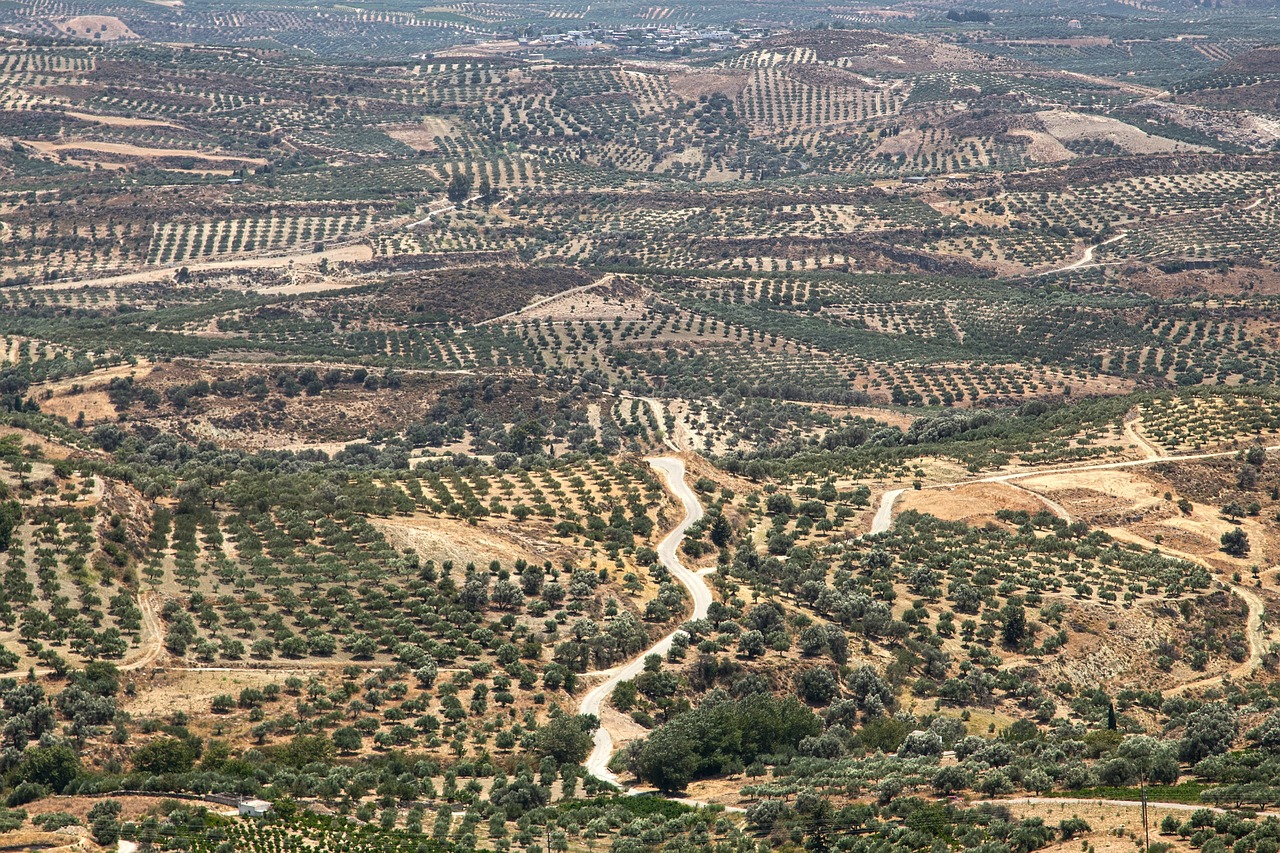
| Crete — Offers the best combination of healthcare, infrastructure, economic resilience, food security, airport access, and year-round communities, though safety varies by locality due to its large size. |
| Paros — Provides strong infrastructure, frequent transport, growing international community, and reliable services while still maintaining lower crime levels than major urban environments. |
| Tinos — Considered highly livable due to its authentic local culture, restrained nightlife, strong community structure, agricultural base, and relatively balanced tourism pressures. |
| Andros — Benefits from proximity to Athens, lower tourism intensity, strong local identity, hiking-oriented culture, and calmer year-round living conditions than more commercialized Cycladic islands. |
| Sifnos — Attractive for safe living because of its calm social environment, organized villages, mature tourism demographic, strong food culture, and lower levels of nightlife-related disruption. |
| Hydra — Its pedestrian environment, affluent tourism profile, strong social visibility, and low perceived crime contribute to a uniquely secure living atmosphere despite higher costs. |
| Skopelos — Combines low-density tourism, greener landscapes, slower pace, strong community feel, and relatively low social aggression compared to heavier nightlife islands. |
| Lemnos — Offers one of the most balanced low-stress living environments in Greece due to its low overcrowding, agricultural economy, strong local population base, and comparatively stable northern Aegean setting. |
A safer life in the long term;
The safest Greek islands to live on are best suited to prospective residents who prioritise long-term stability, healthcare access, reliable infrastructure, and overall day-to-day practicality over nightlife, isolation, or seasonal tourism intensity. In practice, long-term safety extends beyond crime rates and includes factors like healthcare availability, transport reliability, road conditions, weather exposure, community stability, and year-round functionality. Islands that perform well for living tend to have established local populations, accessible services, and enough infrastructure to support daily life comfortably outside peak tourist season. For residents, this creates a more predictable and sustainable environment with stronger support systems and lower logistical stress. The trade-off is that the safest and most practical islands are often more developed, less secluded, and more commercially active than smaller remote alternatives. Overall, the safest islands to live on suit people who value stability, comfort, and dependable long-term livability over isolation, nightlife, or extreme remoteness.
Back to Safe Greek islands
The Greek Island Directory is a project of passion where a love of Crete, Data Integrity and Directories converge to create something truly special for users: Learn More.
Last Updated on May 25, 2026 by admin