Thinking of Living in Crete?
-The reality of expat life in Greece when the crowds go and the off-season comes.
23 March 2026
by Mikael Neropoulos
“The people of Crete unfortunately make more history than they can consume locally.”
— Hector Hugh Munro
Once the tourist season collapses in Crete, the island undergoes a hard economic and social contraction—because its economy is structurally tied to tourism and seasonal services, entire towns that were built around summer demand effectively downshift or partially shut, leaving expats to navigate reduced employment opportunities, shuttered businesses, and a far more limited service ecosystem than what they initially experienced during peak months.
The physical environment reinforces this shift, as the off-season brings rain, humidity, and even snow in mountainous regions, along with practical challenges like damp housing, mould risk, and the need for heating—conditions that sharply contrast the idealised Mediterranean image and require a level of domestic adaptation many short-term arrivals underestimate.
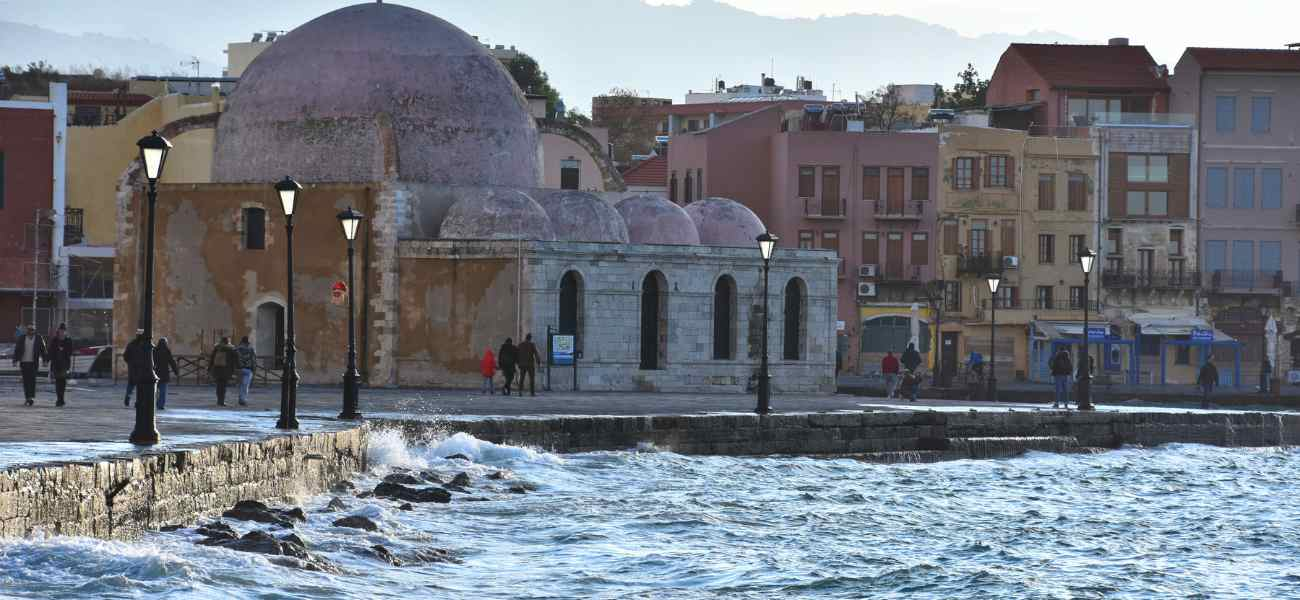
What replaces that intensity is not a “quieter paradise” in a simplistic sense but a fundamentally different operating rhythm: winter Crete is defined by a slower, locally-driven cadence where daily life reorients away from visitors toward community routines, meaning expats either integrate into that slower “siga siga” culture or experience isolation as the social infrastructure they relied on (bars, events, transient communities) largely disappears .
Ultimately, winter exposes the underlying reality of expat life on Crete: it is highly viable and even deeply rewarding for those with independent income or remote work and a tolerance for geographic and infrastructural limitations, but for others—especially those dependent on seasonal economies or constant stimulation—it can feel economically constrained, logistically inconvenient, and socially quiet to the point of attrition
So… What is there to do?
Even after the crowds leave, daily life in Crete recenters around the taverna—not as a tourist venue but as a core social institution where locals gather for long, unhurried meals, raki, and conversation, meaning expats who participate consistently can access the island’s real social fabric rather than its seasonal façade (see Cretan hospitality (Filoxenia)).
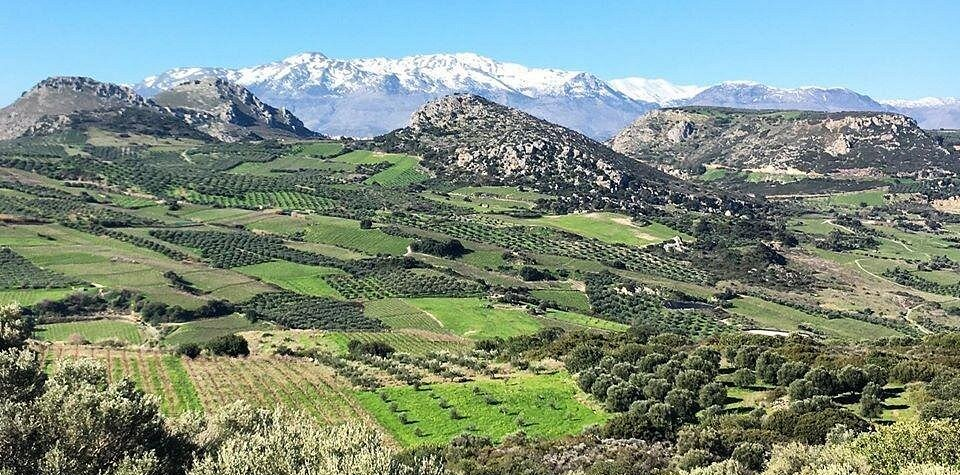
Beyond that, winter opens up the island geographically: with the heat gone, hiking gorges, walking coastal paths, and exploring inland villages becomes far more practical, allowing engagement with landscapes like the Samaria Gorge region and the White Mountains in a way that’s often impossible during peak summer conditions.
Cultural life doesn’t disappear—it compresses and localizes—so instead of festivals built for visitors, you get smaller-scale religious celebrations, agricultural cycles like olive harvesting, and participation in Orthodox traditions tied to places such as Heraklion and surrounding villages, which provide a more authentic but less curated social calendar.
In practical terms, what you “do” in winter Crete shifts from consumption to routine: language learning, building relationships, cooking, maintaining property, and integrating into slower civic rhythms become the primary activities, and whether that feels grounding or monotonous depends almost entirely on whether you treat the island as a place to live rather than a place to be entertained.
The Greek Island Directory is a project of passion where a love of Crete, Data Integrity and Directories converge to create something truly special for users: Learn More.
Last Updated on May 25, 2026 by admin