Crete
Crete is Greece’s largest and most diverse island, where a long, continuous history—from the Bronze Age Minoan civilization through Venetian and Ottoman rule to the modern Greek state—sits alongside varied landscapes of mountains, fertile plains, and extensive coastline, making it both a major cultural centre and a self-contained region with its own strong identity, economy, and way of life.
Overview
Crete is the largest island in Greece and has been inhabited since at least the Neolithic period, becoming the centre of the Bronze Age Minoan civilization, one of Europe’s earliest complex societies, known for palatial centres like Knossos, extensive trade networks, and distinctive art and architecture.
After the decline of the Minoans, Crete passed through Mycenaean, Roman, and Byzantine control, later becoming a major possession of Republic of Venice (as the Kingdom of Candia), a period that left a lasting imprint on its cities, before falling to the Ottomans in the 17th century following a prolonged conflict centred on the siege of Candia (modern Heraklion).
Under Ottoman rule, Crete saw repeated uprisings and maintained a strong regional identity, eventually becoming an autonomous state in the late 19th century before uniting with Greece in 1913, with its mountainous terrain, strategic location, and size shaping both its resistance movements and its distinct cultural development over time.
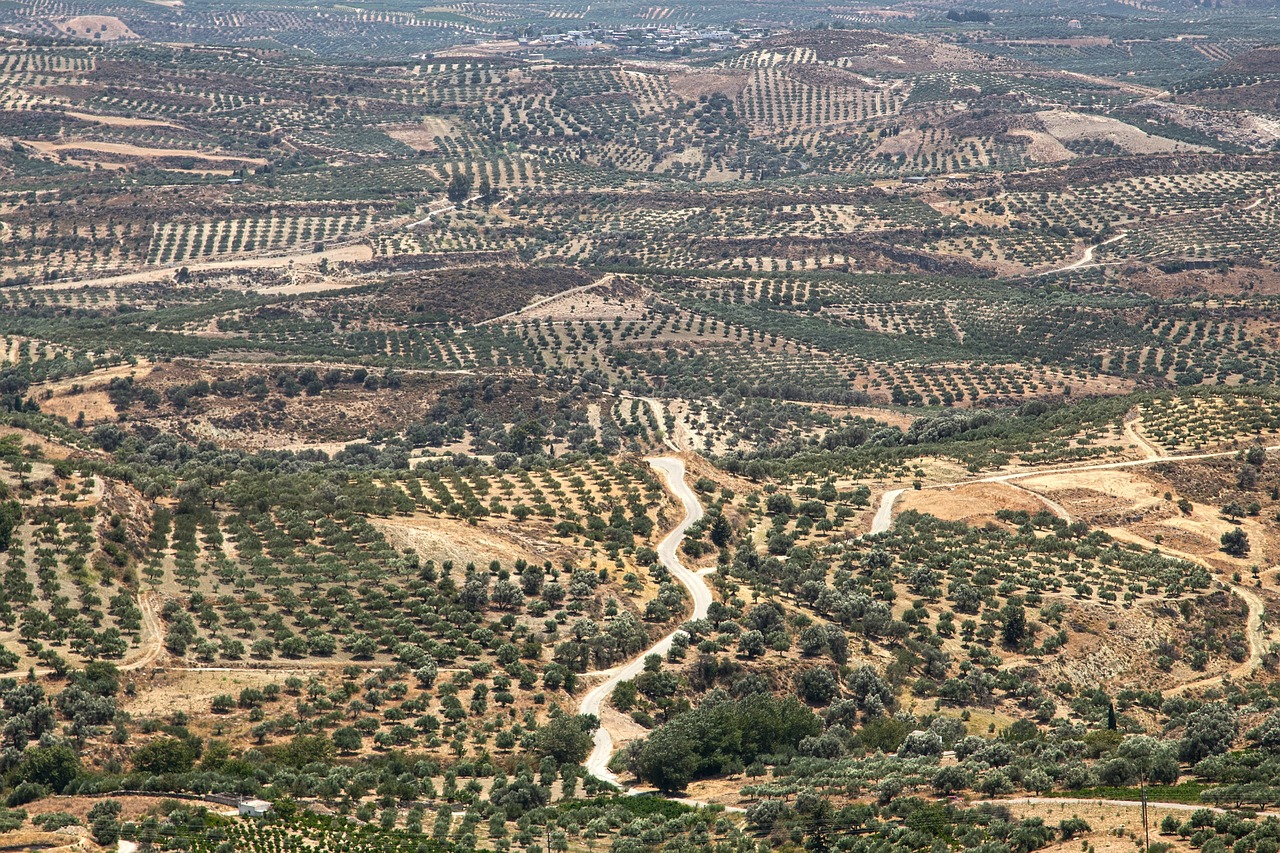
Today, Crete is a major economic and cultural centre within Greece, combining large-scale tourism with agriculture (notably olive oil and wine production), diverse landscapes ranging from beaches to high mountain ranges, and major urban hubs like Heraklion and Chania, while its long history—from Minoan palaces to Venetian harbours—remains a defining part of its identity and appeal.
| Island | Crete • Κρήτη • Kriti |
| Demonym | Cretan |
| Dialect | Standard Modern Greek with a distinct Cretan dialect (one of the most recognisable regional varieties in Greece). |
| Islands Group | Crete |
| Sea Group | Aegean Sea |
| Vibe | Diverse and self-contained; mixes traditional village life, working cities, mass tourism, and strong local identity. |
| Tourism Level | Very high but geographically dispersed due to the island’s size; strong seasonality from May–October. |
| Cost | Mid-range overall, with both affordable areas and high-end resorts depending on region. |
| Best Months | May–June and September–October offer warm weather with fewer crowds than peak summer. |
| Wind | Moderate–strong; influenced by the Meltemi in the north and hotter, dry southern winds (including the Livas). |
| Beach Type | Highly varied: long sandy beaches, rocky coves, and notable lagoon-style beaches (e.g., Balos, Elafonissi). |
| Food | Central to the Mediterranean diet; known for olive oil, fresh vegetables, cheeses (graviera, mizithra), and simple seasonal dishes. |
| Nightlife | Varies by region; active in hubs like Malia and Hersonissos, more relaxed in cities and villages. |
| Family-Friendly | Yes; wide range of resorts, beaches, and facilities suitable for families. |
| Access | Multiple international airports (Heraklion, Chania) and frequent ferries from Piraeus and other islands. |
| Transport | Extensive bus network (KTEL), taxis, and private transfers across major regions. |
| Car Rental | Widely available and strongly recommended due to the island’s size. |
| Roads | Main highways along the north coast; secondary roads vary in quality, especially in mountainous areas. |
| Walkability | Low overall due to scale; moderate within cities like Heraklion and Chania. |
| Connectivity | Good mobile and internet coverage, especially in populated and tourist areas. |
| Infrastructure | Well-developed; functions as a major regional hub with airports, ports, hospitals, and universities. |
| Healthcare | Major hospitals in Heraklion and Chania; comprehensive regional healthcare system. |
| ATM | Widely available across towns and tourist areas. |
| Accommodation | Extensive range from large resorts and luxury villas to small hotels and rural stays. |
| Typical Stay | Commonly 4–10 days due to the island’s size and diversity. |
| Population | ~624,000 (2021 census, ELSTAT). |
| Expat Community | Moderate and established, including long-term European residents and rural lifestyle migrants. |
| Property and Living | Active property market with options ranging from rural homes to coastal developments; generally more accessible than smaller luxury islands. |
| Size | ~8,336 km² |
| Geography | Large, mountainous island with fertile plains, long coastlines, and major ranges such as the White Mountains (Lefka Ori) and Dikti Mountains. |
| Elevation | Highest point ~2,456 m (Mount Ida (Psiloritis)). |
| Culture | Deeply rooted identity shaped by the Minoan civilization, later Byzantine, Venetian, and Ottoman rule, with strong traditions in music, dance, and local customs still active today. |
Back to Islands
Similar Islands:
Evia • Rhodes • Lesbos • Chios • Kefalonia
Under:
- Scenic Greek islands, Historic Greek islands, Diverse Greek islands
- Best Greek islands to visit in: May, June, July, August, September, October;
- Greek islands accessible by Boat
- Greek islands accessible by Ferry
- Greek islands with Domestic Airports
- Greek islands with International Airports
- Greek islands with Very High Tourism
- Greek islands with over 100,000 people
The Greek Island Directory is a project of passion where a love of Crete, Data Integrity and Directories converge to create something truly special for users: Learn More.
Last Updated on July 16, 2026 by admin