
Sandy Greek islands
Sandy Greek islands are found across several regions, with standouts like Naxos, Paros, Mykonos, and parts of Crete and Zakynthos known for long, soft-sand beaches and shallow, swimmable coastlines.
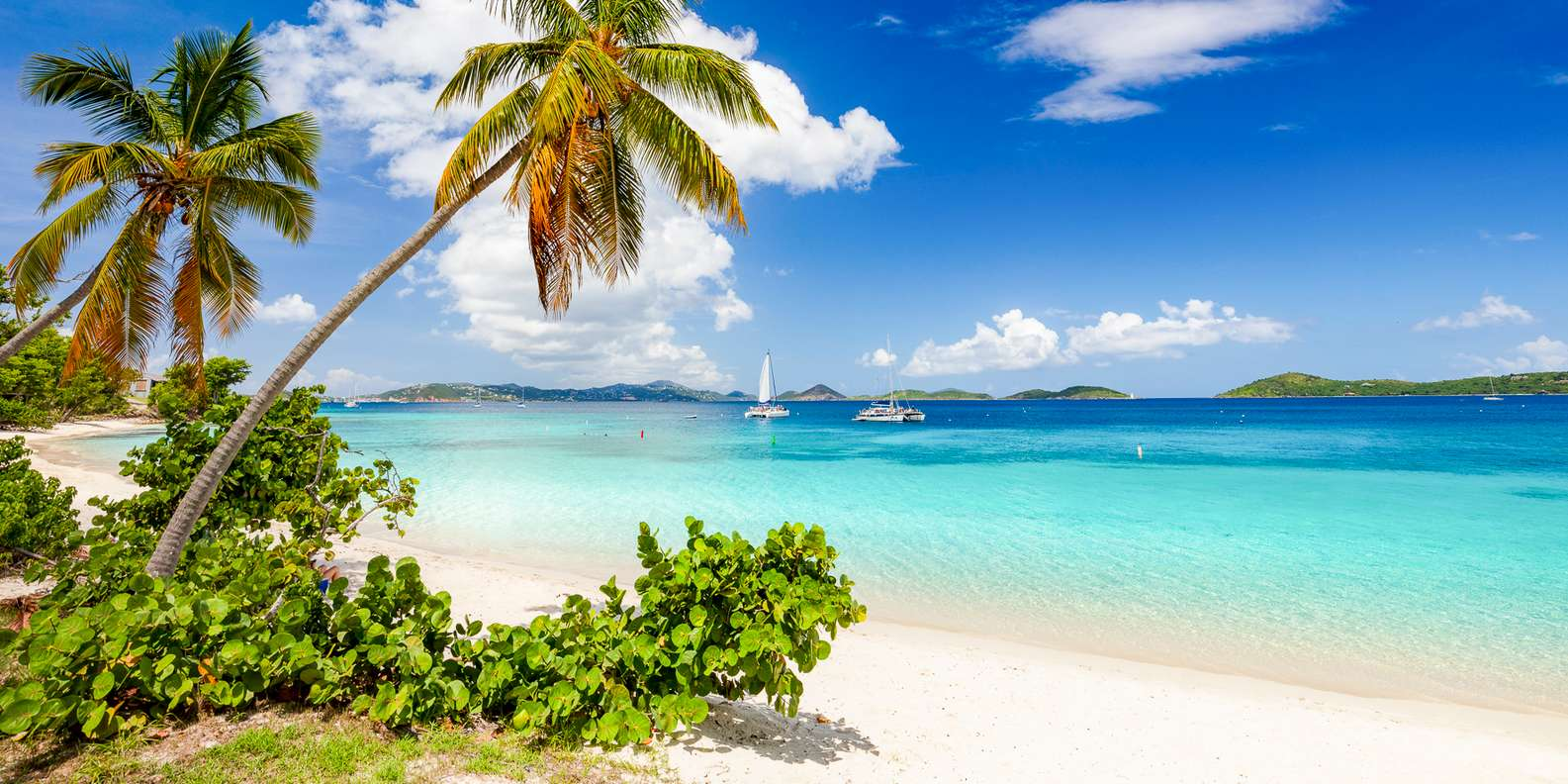
| Island — Description |
| Naxos — Arguably the definitive sandy Greek island, with kilometre-long west-coast beaches that dominate the island’s tourism identity and consistently rank among the best sandy beaches in Greece. |
| Skiathos — One of Greece’s most sand-famous islands, known nationally and internationally for its dense concentration of soft golden-sand beaches, especially Koukounaries and the southern coast. |
| Elafonisos — Essentially synonymous with exotic white sand thanks to Simos Beach and surrounding dune systems; sand is the island’s defining characteristic. |
| Ios — Strongly associated with long, broad sandy beaches that balance party tourism with some of the Cyclades’ best soft-sand coastlines. |
| Mykonos — Despite its nightlife branding, its global tourism rise was heavily built on famous sandy beaches like Psarou, Paradise, Super Paradise, and Platis Gialos. |
| Paros — Consistently recognised for high-quality sandy beaches spread across the island, making sand a core part of its mainstream appeal. |
| Ano Koufonisi — Tiny but iconic for luminous sandy beaches and shallow turquoise water; sand is central to its reputation. |
| Zakynthos — Widely identified with long sandy bays, especially Laganas Bay’s extensive turtle beaches and broad soft-sand coastlines. |
| Kos — A classic “sand-and-sun” Dodecanese island with long flat sandy coastlines that strongly shape its tourism image. |
| Lefkada — Included because several of Greece’s most photographed sandy beaches are here, even though parts of the coastline are cliff-dominated. |
| Corfu — Particularly in international tourism markets, Corfu is strongly associated with family-friendly sandy beaches alongside its green landscape identity. |
| Crete — Too geographically diverse to define purely as sandy, but the scale and fame of beaches like Elafonissi, Balos, Falassarna, and Vai make sand a major part of its international image. |
| Rhodes — Included at the margin because of its long tourism history centred partly around extensive sandy east-coast beaches. |
Should you visit a sandy Greek island?
Sandy Greek islands are best suited to travellers who prioritise comfort, usability, and long, repeatable beach days. They appeal strongly to families, casual swimmers, and longer-stay visitors because sandy shorelines typically offer gentle entry, more space, and easier access compared to rocky or cliff-lined coasts. This makes day-to-day beach use simple and predictable, especially if you’re spending hours there rather than just passing through. They also tend to support better beachfront infrastructure, which adds to convenience. The trade-off is aesthetic—these environments can feel more developed and less visually dramatic than rugged or mountainous islands. Overall, sandy islands suit comfort-first travellers who want ease and consistency, not those chasing raw landscapes, isolation, or high-contrast scenery.
Back to Geography
You might also want to check out:
- Greek islands with Sand
- Best Sandy Greek islands
- Greek islands by elevation
- Greek islands by island group
- Greek islands by vibe
The Greek Island Directory is a project of passion where a love of Crete, Data Integrity and Directories converge to create something truly special for users: Learn More.
Last Updated on May 29, 2026 by admin