
Greek islands with Sandy Beaches
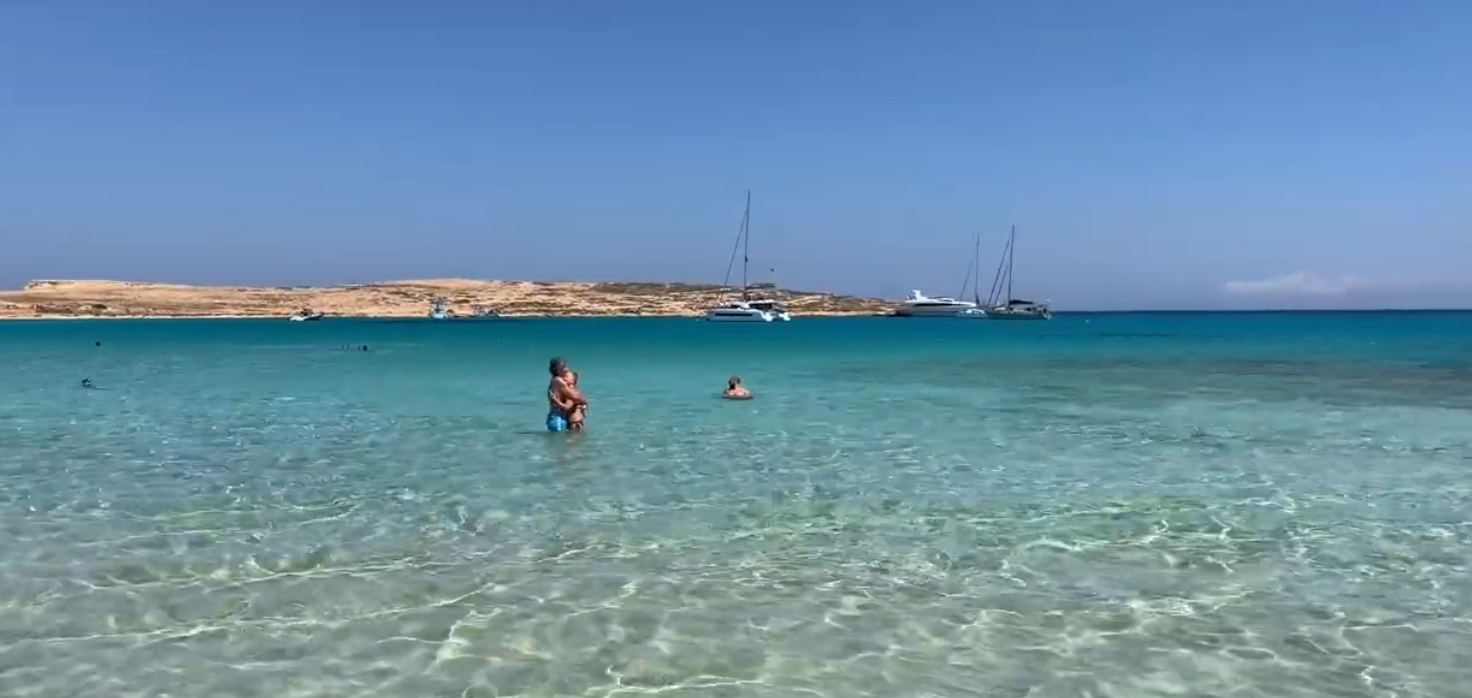
Greek islands with sandy beaches are found across multiple island groups in Greece, particularly on destinations known for softer coastlines, shallow waters, and beach-focused tourism. These islands are often associated with accessible swimming conditions, organised beachfront areas, and a more relaxed coastal environment compared to rockier or cliff-dominated island landscapes.
| Island — Description |
|---|
| Aegina — Contains several sandy beaches, particularly around family-friendly resort areas. |
| Agistri — Known for small sandy beaches backed by pine forests. |
| Alonissos — Has a mix of pebble and sandy beaches, especially in sheltered coves. |
| Ammouliani — Strong reputation for shallow sandy beaches and turquoise water. |
| Amorgos — Contains a handful of sandy beaches despite its rugged terrain. |
| Anafi — Remote island with several quiet sandy beaches. |
| Andros — Includes multiple sandy beaches alongside greener mountainous terrain. |
| Ano Koufonisi — Famous for soft sandy beaches and shallow turquoise bays. |
| Antiparos — Well known for relaxed sandy beaches and clear water. |
| Antipaxos — Small but home to beautiful sandy coves. |
| Astypalaia — Contains sandy beaches despite its rocky Dodecanese character. |
| Chalki — Has a limited number of sandy beach areas alongside rocky coastline. |
| Chios — Mixed coastline including several notable sandy beaches. |
| Corfu — Extensive sandy beaches, especially on the west and north coasts. |
| Crete — Huge number and variety of sandy beaches across the island. |
| Donousa — Known for beautiful undeveloped sandy beaches. |
| Elafonisos — One of Greece’s strongest white-sand beach islands. |
| Evia — Large island with many sandy beaches across different regions. |
| Folegandros — Includes a few sandy beaches despite mostly rocky terrain. |
| Fournoi — Contains small sandy coves and beaches. |
| Gavdos — Known for remote sandy beaches and dunes. |
| Hydra — Limited sandy beaches, but some small sandy coves exist. |
| Ikaria — Has several sandy beaches alongside rockier stretches. |
| Ios — Famous for long sandy beaches. |
| Irakleia — Quiet island with sandy beaches and coves. |
| Ithaca — Mostly pebbly, but contains some sandy beaches. |
| Kalamos — Includes small sandy beach areas. |
| Kalymnos — Better known for rocky beaches, but some sandy beaches exist. |
| Karpathos — Rugged island with several major sandy beaches. |
| Kasos — Limited but present sandy beach areas. |
| Kastellorizo (Megisti) — Small sandy swimming areas exist despite rocky terrain. |
| Kea (Tzia) — Includes several sandy beaches. |
| Kefalonia — Many sandy beaches mixed with pebbled coves. |
| Kimolos — Contains sandy and volcanic beaches. |
| Kos — One of Greece’s most sand-oriented islands. |
| Kythira — Diverse coastline with many sandy beaches. |
| Kythnos — Contains numerous sandy beaches. |
| Lefkada — Known for major sandy beaches beneath dramatic cliffs. |
| Leipsoi — Includes several sandy beaches and shallow bays. |
| Leros — Mixed coastline with sandy beaches in sheltered areas. |
| Lesbos (Lesvos) — Large island with multiple sandy beaches. |
| Limnos — Especially known for broad sandy beaches and dunes. |
| Marathi — Small island with sandy swimming beaches. |
| Mathraki — Known for sandy beaches in the Diapontia group. |
| Meganisi — Contains small sandy coves. |
| Milos — Numerous beaches including sandy volcanic beaches. |
| Mykonos — Internationally famous for sandy beaches. |
| Naxos — One of Greece’s strongest sandy-beach islands overall. |
| Nisyros — Includes dark sandy volcanic beaches. |
| Oinousses — Has a few small sandy beaches. |
| Othonoi — Contains sandy beaches and turquoise coves. |
| Paros — Major sandy-beach island in the Cyclades. |
| Patmos — Includes several sandy beaches among rocky coastline. |
| Paxos — Mostly pebbly, but some sandy coves exist. |
| Poros — Contains sandy beaches and family-friendly bays. |
| Psara — Includes some sandy beach areas. |
| Pserimos — Known for sandy swimming beaches. |
| Rhodes — Extensive sandy beaches, especially on the east coast. |
| Salamina — Contains several sandy beaches close to Athens. |
| Samos — Multiple sandy beaches across the island. |
| Samothrace — Some sandy beaches despite mountainous terrain. |
| Santorini — Volcanic black-sand beaches are a defining feature. |
| Schinoussa — Quiet island with several sandy beaches. |
| Serifos — Includes multiple sandy beaches despite rugged terrain. |
| Sifnos — Contains a good number of sandy beaches and bays. |
| Sikinos — Limited but present sandy beaches. |
| Skiathos — One of Greece’s top sandy-beach islands. |
| Skopelos — Mostly pebbly but includes sandy beaches. |
| Skyros — Large island with several sandy beaches. |
| Spetses — Some sandy beaches exist despite a mainly rocky coastline. |
| Symi — Primarily rocky, but a few sandy beaches exist. |
| Syros — Includes several sandy beaches near resort areas. |
| Telendos — Small sandy coves exist. |
| Thassos — Strong sandy-beach reputation combined with greenery. |
| Therasia — Contains volcanic sandy beaches. |
| Tilos — Includes sandy beaches alongside rocky coastline. |
| Tinos — Has several sandy beaches despite its rugged Cycladic profile. |
| Zakynthos — Famous for long sandy bays and turtle beaches. |
Sandy Beaches: Who they really suit best (Everyone)
Greek islands with sandy beaches are best suited to travellers and prospective residents who prioritise comfort, accessibility, and easy coastal living. Sandy shorelines are generally more usable than rocky or cliff-lined alternatives—simpler for swimming, walking, lounging, and spending long periods by the water—which makes these islands especially appealing to families, casual swimmers, and longer-stay visitors. For travellers, this creates relaxed, low-friction holidays centred around repeat beach days rather than constant movement or planning. For residents, sandy coastlines contribute to a more comfortable everyday lifestyle and make living near the sea more practical year-round. The trade-off is popularity: sandy beaches attract tourism development, higher seasonal demand, and busier conditions in peak summer. They’re less suited to people seeking rugged isolation or dramatic geological scenery. Overall, sandy-beach islands suit comfort-first users who value ease, usability, and repeatable beach living over rawness or remoteness.
Back to Beach Type
You might also want to check out:
- Greek islands with Soft Sandy Beaches
- Greek islands with White Sandy Beaches
- Greek islands with Most Sandy Beaches
- Greek islands with the Best Sandy Beaches
The Greek Island Directory is a project of passion where a love of Crete, Data Integrity and Directories converge to create something truly special for users: Learn More.
Last Updated on May 25, 2026 by admin