
Greek islands with White Sandy Beaches
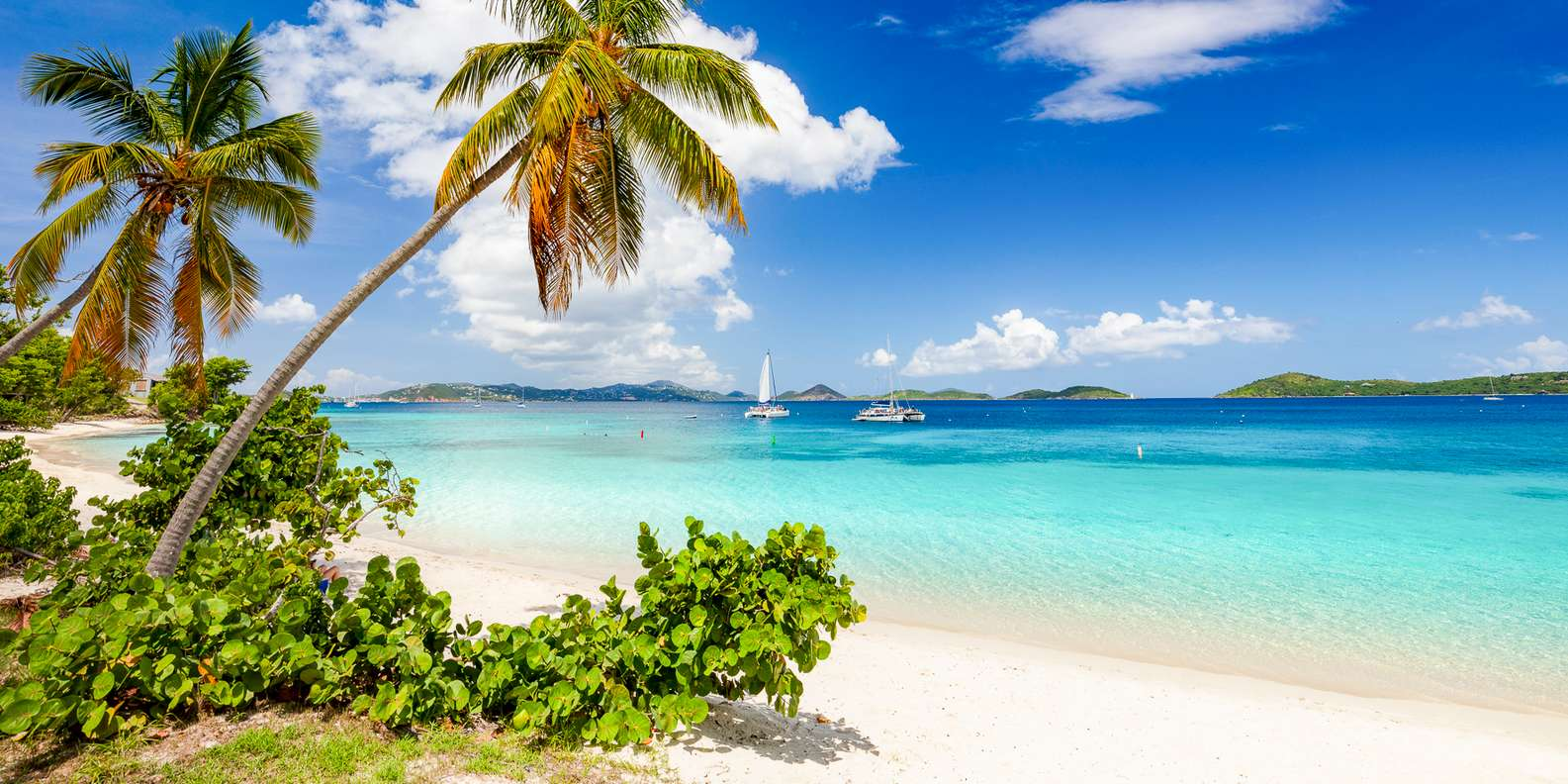
Greek islands with white sandy beaches are typically found in destinations where lighter coastal geology and exceptionally clear water create bright, visually striking shorelines across Greece. These islands are often associated with tropical-looking coastal scenery, featuring pale sand, turquoise waters, and high visual contrast that makes their beaches especially popular for swimming, photography, and beach-focused travel.
| Island — Description |
|---|
| Elafonisos — The quintessential white-sand Greek island, especially around Simos Beach where brilliant white dunes and shallow turquoise water create one of the country’s most Caribbean-like landscapes. |
| Crete — Home to several of Greece’s most famous white-sand beaches, especially Elafonissi, Balos, Kedrodasos, and parts of Falassarna where pale sand and luminous water dominate the scenery. |
| Ano Koufonisi — Tiny but iconic for dazzling pale sand and bright turquoise shallows that give many beaches an almost tropical appearance. |
| Naxos — Particularly along the west coast, several beaches feature broad expanses of soft pale-golden to near-white sand combined with crystal-clear shallow water. |
| Skiathos — Famous for soft pale sand, especially at beaches like Koukounaries where pine forests meet bright sandy shoreline. |
| Paros — Numerous beaches with pale soft sand and transparent water, especially around Santa Maria and Golden Beach. |
| Antiparos — Known for relaxed white-sand coves and shallow clear-water beaches. |
| Mykonos — Several internationally famous beaches feature pale fine sand and bright turquoise shallows despite heavy tourism development. |
| Ios — Strong contender because of its long clean sandy beaches, many with light-coloured fine sand and bright Aegean water. |
| Zakynthos — Particularly around Navagio-region coastlines and turtle beaches, where pale sand contrasts dramatically with Ionian turquoise water. |
| Lefkada — Beaches such as Egremni and Porto Katsiki combine pale sand with striking electric-blue water and white cliffs. |
| Kos — Contains many broad light-sand beaches typical of the southeastern Aegean resort profile. |
| Corfu — Especially on the west coast, several beaches feature pale soft sand framed by green Ionian scenery. |
| Thassos — Notable for combining white-to-pale sand beaches with dense greenery and clear northern-Aegean water. |
When color matters most:
Greek islands with white beaches (and white sandy beaches) are best suited to travellers and prospective residents who prioritise bright, visually striking coastlines and highly comfortable beach conditions. White sand typically enhances the clarity and colour contrast of the water, creating the classic turquoise-and-white aesthetic many people associate with ideal Mediterranean beaches. For travellers, these islands support relaxed, beach-focused holidays centred around swimming, lounging, and scenic coastal environments. For residents, white sandy beaches contribute to a more visually rewarding and comfortable day-to-day lifestyle, especially for those spending significant time outdoors. The trade-off is popularity—white sand beaches are heavily sought after, which often leads to stronger tourism development, higher seasonal demand, and busier peak periods. They’re less suited to travellers seeking rugged isolation or untouched environments. Overall, islands with white sandy beaches suit comfort- and scenery-focused people who value soft, visually appealing coastlines and easy beach living over remoteness or raw terrain.
Back to Sandy Greek islands
The Greek Island Directory is a project of passion where a love of Crete, Data Integrity and Directories converge to create something truly special for users: Learn More.
Last Updated on May 28, 2026 by admin