
Greek islands with most historical sites
Some Greek islands contain far more historical sites than others, reflecting their importance as centres of trade, religion, politics and settlement throughout different periods of history. These sites can span multiple eras, including prehistoric communities, ancient Greek sanctuaries, Roman remains, Byzantine monuments, medieval fortifications and later historical landmarks. For travellers interested in exploring the past, the islands with the greatest concentration of historical sites often provide an experience where history is woven into almost every part of the landscape.
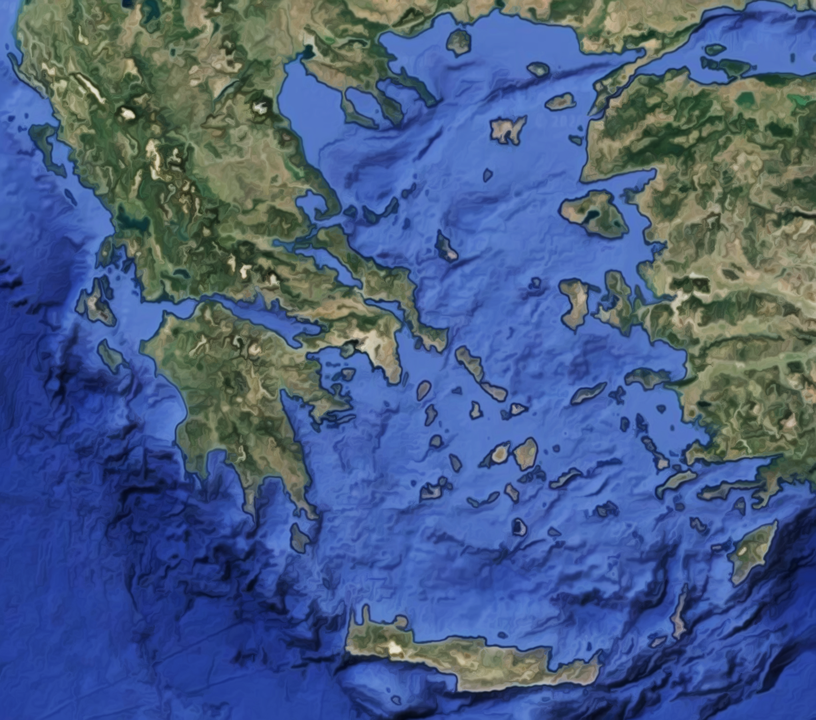
| Island — Reason |
|---|
| Chios — Numerous medieval villages, monasteries, castles, archaeological sites and historic settlements spread across the island. |
| Corfu — Ancient remains, major fortifications, monasteries, historic settlements and extensive Venetian heritage. |
| Crete — Vast number of archaeological sites, monasteries, castles, historic towns and ancient settlements. |
| Kos — Large concentration of archaeological sites, Roman monuments, fortifications and historic settlements. |
| Kos — Ancient city remains, Asklepieion, Roman monuments and medieval fortifications create an exceptional historical experience. |
| Lesbos — Exceptional number of castles, monasteries, historic settlements and archaeological sites. |
| Naxos — Ancient sites, Venetian towers, Byzantine churches, castles and historic villages throughout the island. |
| Rhodes — Extraordinary concentration of ancient sites, medieval monuments, fortifications and historic settlements. |
Tier 2: Islands with the next most historical sites |
| Aegina — Large number of historical sites relative to its size. |
| Amorgos — Numerous monasteries, ancient settlements and historical monuments. |
| Andros — Significant concentration of historic villages, monasteries and archaeological sites. |
| Chios — Already scored above but remains one of the strongest quantity cases. |
| Evia — Large island containing a substantial number of historical sites across many regions. |
| Kea — Dense concentration of ancient and historic sites. |
| Kythira — Numerous castles, monasteries and archaeological remains. |
| Lemnos — Large number of archaeological and medieval sites. |
| Paros — Ancient, Byzantine and Venetian heritage spread across the island. |
| Patmos — Important concentration of religious and historical monuments. |
| Samos — Large number of ancient and historical sites. |
| Santorini — Significant quantity of archaeological and historical sites. |
| Syros — Large concentration of historic architecture and heritage sites. |
| Syros — Large concentration of historic architecture and heritage sites. |
Ancient sites on ancient isles;
Greek islands with the most historical sites are generally best suited to travellers who want a destination where history is not just one attraction among many, but a defining part of the island’s identity. They tend to appeal to archaeology enthusiasts, history lovers, cultural travellers, students, photographers, and anyone interested in exploring the many layers of Greek, Roman, Byzantine, Medieval, Venetian, Ottoman, and modern Greek history. People searching for islands with the most historical sites are often looking for destinations that offer exceptional depth and variety, including archaeological sites, ancient cities, temples, theatres, castles, fortifications, monasteries, historic towns, museums, and significant cultural landmarks spread across the island rather than concentrated in a single location. These islands can be particularly attractive to travellers who enjoy spending days exploring different periods of history while also experiencing local culture, traditional villages, beaches, and landscapes. They are generally less suited to visitors whose primary goal is nightlife, luxury resorts, or a purely beach-focused holiday. For many travellers, the appeal lies in visiting islands where centuries of human activity have left an extraordinary concentration of historical treasures, creating destinations that reward curiosity and provide a richer, deeper understanding of Greece’s remarkable past.
Back to Greek islands with History
The Greek Island Directory is a project of passion where a love of Crete, Data Integrity and Directories converge to create something truly special for users: Learn More.
Last Updated on June 9, 2026 by admin