
Paros
Paros is a central Cycladic island known for its balance of sandy beaches, lively harbour towns, and polished tourism scene, sitting somewhere between the intensity of Mykonos and the more traditional feel of Naxos, making it one of the most versatile and broadly appealing islands in Greece.
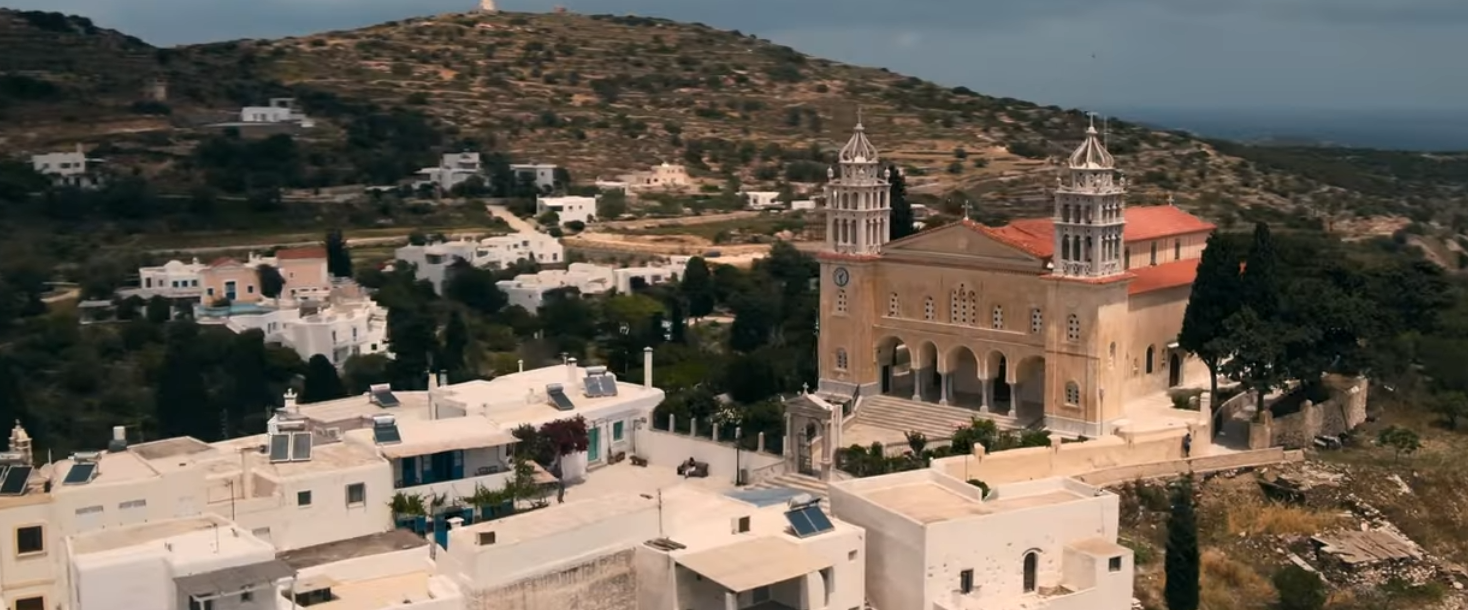
Overview
Paros has been inhabited since prehistoric times and became an important centre in the ancient Greek world, particularly known for its high-quality marble, which was used in major works of classical sculpture and architecture across the Mediterranean.
During the Byzantine period and later under Venetian rule (as part of the Duchy of the Archipelago), Paros developed fortified settlements and a maritime identity, with traces of this period still visible in towns like Parikia and Naoussa.
Like nearby Naxos, Paros maintained a functioning local economy beyond tourism, with agriculture, fishing, and trade continuing alongside its growing role as a travel destination, helping preserve a more grounded, lived-in character.
Today, Paros is one of the most popular islands in the Cyclades, known for its mix of beach life, active nightlife (especially in Naoussa), and well-developed infrastructure, offering a more accessible and slightly less extreme alternative to Mykonos while still delivering a high-end island experience.
| Name | Paros • Πάρος • Paro |
| Demonym | Parian |
| Dialect | Standard Modern Greek (Cycladic variety). |
| Islands Group | Cyclades |
| Sea Group | Aegean Sea |
| Vibe | Polished and versatile; combines beach culture, nightlife, and a relaxed Cycladic feel. |
| Tourism Level | High and strongly seasonal, with peak in July–August. |
| Cost | Mid-range to high; generally more affordable than Mykonos but trending upward. |
| Best Months | May–June and September offer warm weather with fewer crowds. |
| Wind | Moderate–strong; influenced by Meltemi winds in summer. |
| Beach Type | Mostly sandy beaches with many organised options. |
| Food | Cycladic cuisine with seafood, local produce, and traditional dishes. |
| Nightlife | Moderate to active; concentrated in Naoussa and parts of Parikia. |
| Family-Friendly | Very; wide beaches and good infrastructure. |
| Access | Domestic airport and frequent ferries from Piraeus and nearby islands. |
| Transport | Bus network, taxis, and private transport options. |
| Car Rental | Widely available and useful for exploring beaches. |
| Roads | Good overall quality and easy to navigate. |
| Walkability | Moderate in main towns; low elsewhere. |
| Connectivity | Good mobile and internet coverage across most areas. |
| Infrastructure | Well-developed and capable of handling high tourism volumes. |
| Healthcare | Health centre and local clinics; more advanced care accessed via larger islands. |
| ATM | Widely available in towns and tourist areas. |
| Accommodation | Wide range from boutique hotels and villas to mid-range and budget stays. |
| Typical Stay | Commonly 3–5 days. |
| Population | 15,480 |
| Expat Community | Moderate and growing, especially in tourism and hospitality sectors. |
| Property and Living | Active property market with increasing international demand; rising prices. |
| Size | ~196 km² |
| Geography | Rolling hills, coastal plains, and numerous sandy beaches. |
| Elevation | Highest point ~771 m (Mount Agioi Pantes). |
| Culture | Ancient Greek roots (notably marble production), with Byzantine and Venetian influences and a modern tourism-driven identity. |
Back to Islands
Similar Islands:
Naxos • Syros • Mykonos • Tinos • Ios
Under:
- Lively Greek islands | Scenic Greek islands | Diverse Greek islands
- Greek islands with High Tourism
- Best Greek islands to visit in: May | June | July | August | September
- Greek islands Accessible By Boat
- Greek islands Accessible By Ferry
- Greek islands With Domestic Airports
- Greek islands with over 10,000 people
The Greek Island Directory is a project of passion where a love of Crete, Data Integrity and Directories converge to create something truly special for users: Learn More.
Last Updated on July 16, 2026 by admin