
Least Windy Greek islands
Wind is one of the biggest factors shaping the experience of a Greek island, influencing everything from beach conditions to ferry travel and outdoor comfort. While no island is completely free from wind, some are naturally more sheltered due to their geography, location and surrounding landforms. For travellers and residents who prefer calmer conditions, identifying the least windy islands can make a noticeable difference to how relaxing and predictable daily life feels throughout the year.
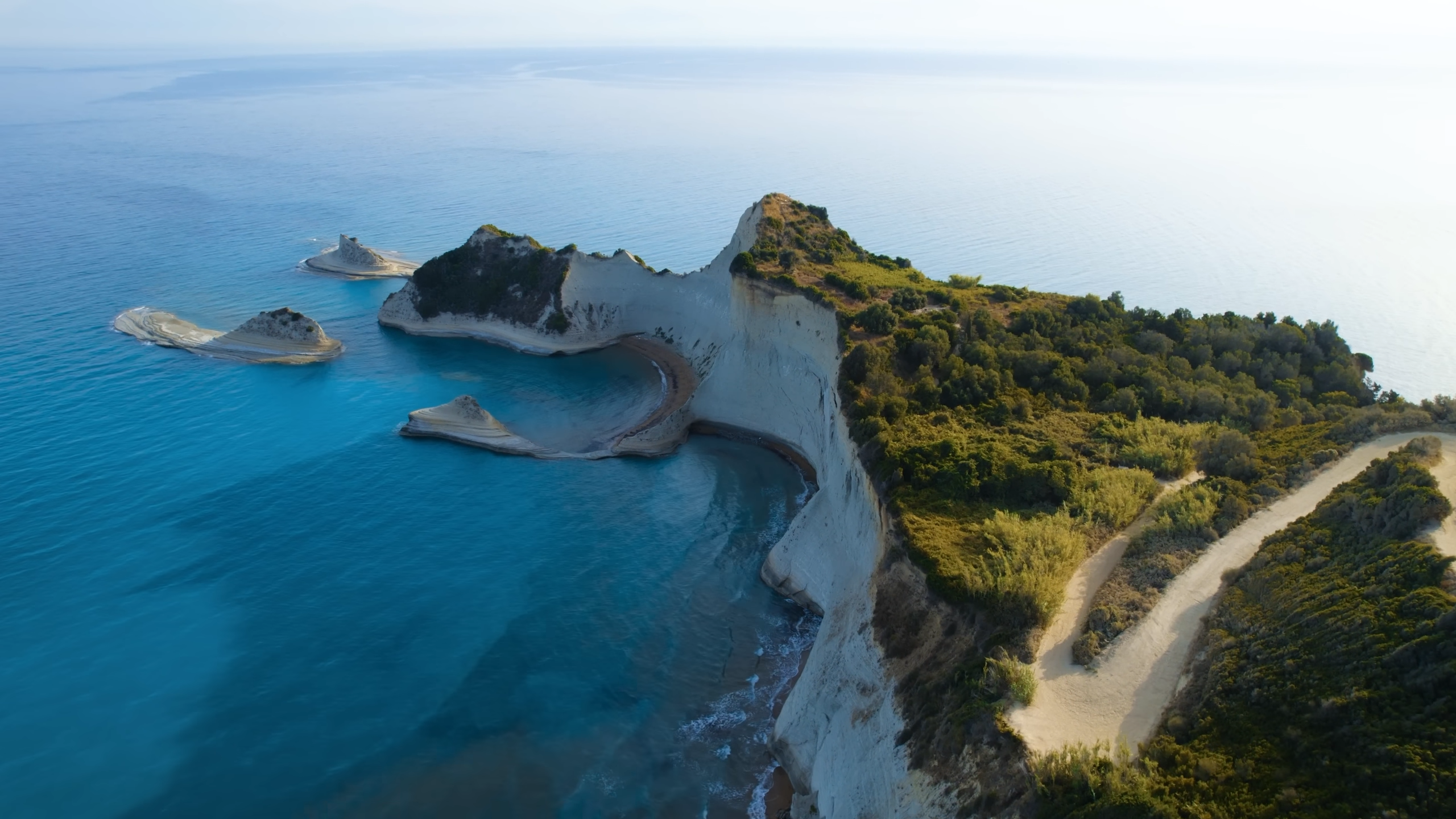
| Island – Description |
|---|
| Corfu — Located in the Ionian Sea outside the core Meltemi zone, with extensive topographic shelter and a long-standing reputation as one of Greece’s least windy major islands. |
| Kefalonia — The Ionian location and mountainous terrain significantly reduce the persistent wind exposure seen across much of the Aegean. |
| Paxos — Small, sheltered and outside the Meltemi’s main influence, making it one of the calmest inhabited islands in Greece. |
| Zakynthos — Generally experiences lower summer wind exposure than most Aegean islands and rarely develops the persistent windy conditions common in the Cyclades. |
| Antipaxos — Shares the Ionian’s relatively sheltered wind regime and generally calm conditions. |
| Erikoussa — Northern Ionian location keeps it largely outside the strongest Meltemi influence. |
| Ithaca — Deeply indented coastline and sheltered geography help reduce perceived windiness. |
| Kalamos — Sheltered Ionian position and protective terrain contribute to relatively calm conditions. |
| Kastos — Small Ionian island that avoids much of the wind exposure common in the central Aegean. |
| Lefkada — Although some western coasts can be windy, overall exposure remains lower than many Aegean islands. |
| Mathraki — Generally experiences lower wind exposure than the majority of Greek islands. |
| Meganisi — Well-known for its sheltered position within the Ionian island group. |
| Othonoi — Benefits from Ionian conditions despite occasional weather-system exposure. |
| Petalas — Sheltered western Greek location keeps Meltemi influence relatively weak. |
| Trizonia — Protected Gulf setting provides some of the calmest conditions found on an inhabited Greek island. |
The less wind the better
The least windy Greek islands are generally best suited to travellers and future residents who prefer calmer, more predictable conditions and want to spend as much time as possible comfortably outdoors. They tend to appeal to families with young children, swimmers, paddleboarders, sailors looking for sheltered waters, retirees, beach-focused holidaymakers, and anyone who finds strong winds disruptive or uncomfortable. These islands are often attractive to people who enjoy long beach days, waterfront dining, relaxed sightseeing, and outdoor living without constantly dealing with blowing sand, rough seas, or the cooling effect of persistent winds. They can also be appealing to property buyers and long-term residents who value sheltered outdoor spaces and a more tranquil environment throughout the year. While some travellers actively seek wind for sailing, windsurfing, or kitesurfing, calmer islands are usually better suited to those who prioritise comfort, swimming conditions, and a generally more relaxed coastal experience where the weather feels less dominated by the wind itself.
Back to Greek islands by wind level
The Greek Island Directory is a project of passion where a love of Crete, Data Integrity and Directories converge to create something truly special for users: Learn More.
Last Updated on June 1, 2026 by admin