
Greek islands to avoid Mosquitos
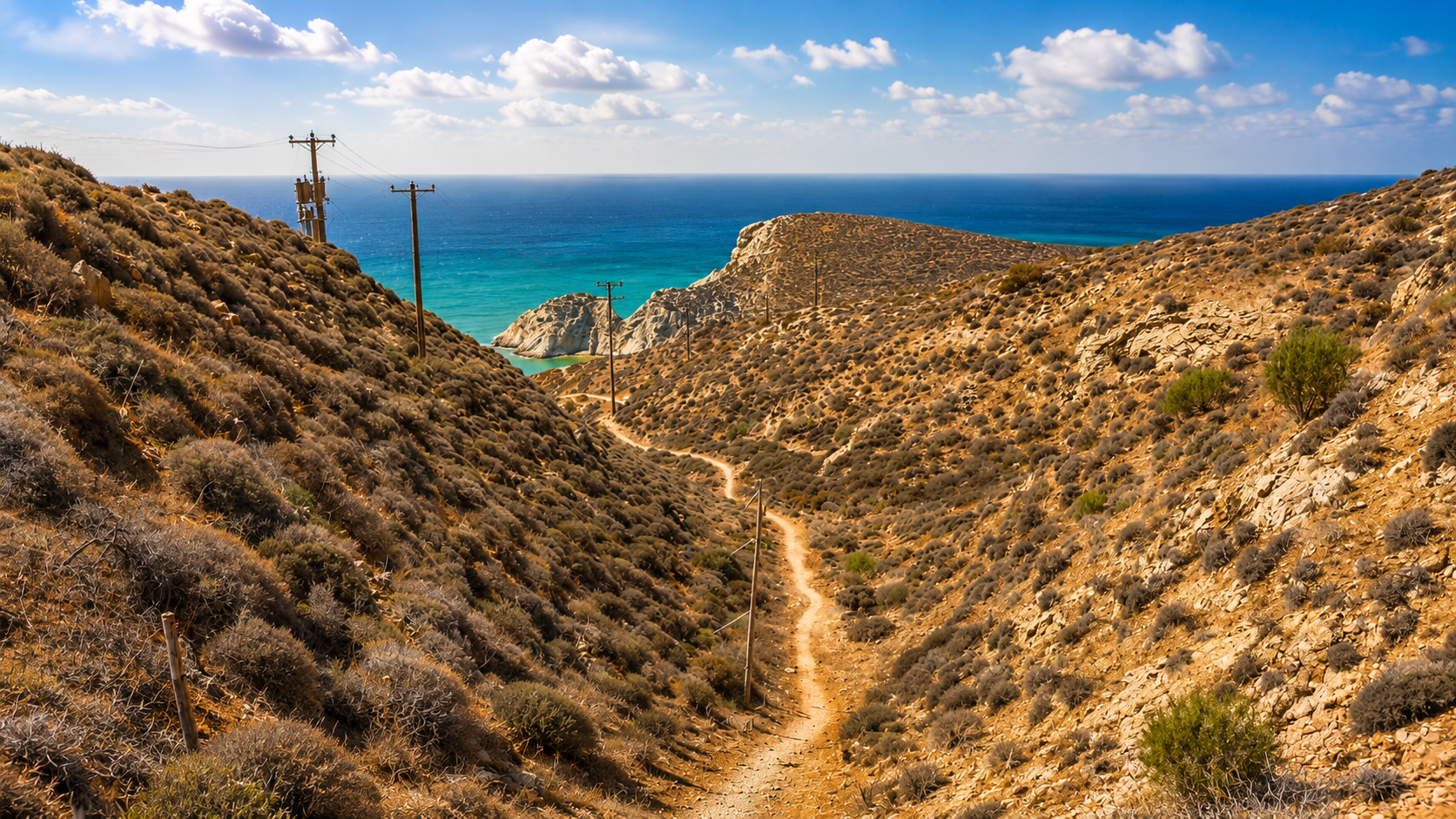
Greek islands to avoid mosquitos are the windy, dry Cyclades where there is almost no fresh standing water and the Meltemi keeps them clear in July-August. Mykonos, Santorini, Folegandros, Sifnos, Milos, Paros and Anafi are the best bets at 86km2 to 160km2 of granite and volcanic rock with white towns on ridges and long dry summers, along with small exposed islands like Donousa, Iraklia and Kimolos. Crete’s south coast around Loutro and Sougia and Rhodes’ east coast around Lindos also stay breezy and arid with few breeding spots away from rivers.
Islands with lakes, rivers, wetlands and dense olive groves and green vegetation have the most mosquitos, including Corfu at 591km2, Lefkada, Thassos, Skiathos, Samos, Lesbos and Zakynthos around Laganas Bay with its turtle marshes. Even on dry islands avoid ground floor rooms near cisterns, bamboo and garden irrigation in Chora, and choose high-floor rooms on a ridge with sea wind, use screens and plug-ins in June and September, and stay away from river mouths like on Trizonia opposite the mainland wetlands.
| Island | Description |
|---|---|
| Mykonos | Bare granite, no river no lake, Meltemi 6 Beaufort every afternoon, windmills non-stop, no standing water at all. |
| Santorini | Caldera cliffs 300m, volcanic ash, no river no lake, sea salt spray, bone dry. |
| Anafi | Bare volcanic rock, Kalamos monolith 400m, one spring for whole island, wind 7 Beaufort, no wetland. |
| Folegandros | Chora on 200m cliff edge, no river, dry rock, Meltemi funnel. |
| Kimolos | Dry clay, no trees, no pond, no river, wind exposed. |
| Milos | Sarakiniko lunar white rocks, salt spray, no inland fresh water, dry volcanic. |
| Paros | Dry granite, Kolymbithres, Paros Park red cliffs windy, no permanent river. |
| Antiparos | Flat dry, no river, Soros beach salt. |
| Ios | Dry bare hills, no river, Meltemi strong, no lake. |
| Amorgos | Bare ridge 19km, Hozoviotissa cliff dry, no river permanent, wind both sides. |
| Sikinos | Bare rock, no spring, no river, dry. |
| Serifos | Bare iron rock, no river, windy. |
| Sifnos | Dry ridge, no river permanent, wind. |
| Koufonisi | Tiny flat sandbar, no fresh water, salt spray all sides. |
| Schinoussa | Tiny flat, no water, wind. |
| Donousa | Tiny, no river, dry. |
| Irakleia | Tiny, no river, dry. |
| Atokos | Private goat rock, no water, dry. |
| Delos | Archaeological rock, no water, no overnight, dry. |
| Despotiko | Uninhabited dry rock, no water. |
| Diaporos | Private dry, no water. |
| Dokos | Uninhabited dry rock. |
| Gyaros | Ex-prison dry rock, no water. |
| Gyali | Pumice quarry dry, no water. |
| Keros | Archaeological ban dry rock. |
| Kira Panagia | Marine park dry rock, no water. |
| Kinaros | One shepherd rock dry. |
| Kato Koufonisi | Uninhabited dry rock, no water. |
| Polyaigos | Uninhabited goat rocks dry. |
| Rineia | Uninhabited dry, Delos ban. |
| Ro | Military dry rock no water. |
| Saliagos | Uninhabited dry rock. |
| Saria | Uninhabited dry rock. |
| Spinalonga | Leper island dry rock. |
| Strongyli | Military outpost dry rock. |
| Nea Kameni | Volcano crater dry sulfur no fresh water. |
| Palea Kameni | Volcano dry. |
| Moni | Deer island dry rock. |
| Pachia | Uninhabited dry. |
| Aspronisi | Uninhabited dry. |
Worst Greek Island for Mosquitos
If you are looking for the worst Greek island for mosquitos, there is no definitive island-wide ranking because mosquito numbers vary by season, rainfall, vegetation, standing water and local conditions. Some islands and areas can experience noticeably more mosquito activity than others, but conditions can change considerably even within the same island.
Mosquitos in Greece
Mosquitos in Greece are a normal part of the summer environment, although their abundance varies considerably between islands and locations. Mosquito bites in Greece are more likely in warm, humid areas and around vegetation or standing water, while dry, exposed coastal locations can sometimes have noticeably fewer mosquitoes.
Mosquitoes in Corfu / Corfu Mosquitoes
Mosquitoes in Corfu can be noticeable during warmer periods, particularly in greener, wetter areas and locations with standing water. Corfu mosquitoes are not evenly distributed across the island, however, so the experience can vary substantially between different areas and times of year.
Mosquitoes in Crete / Crete Mosquitos
Mosquitoes in Crete vary considerably according to the local climate, vegetation, water availability and time of year. Crete is a large and geographically diverse island, so mosquito activity can differ significantly between coastal areas, wetter regions and drier parts of the island.
FAQ
Which Greek Island Has the Least Mosquitos?
There is no reliable island-wide ranking that can establish which Greek island has the absolute fewest mosquitoes. Mosquito numbers vary with rainfall, standing water, temperature, vegetation and local conditions, so an island that generally has fewer mosquitoes can still have pockets where they are more noticeable.
Why Are There No Mosquitoes in Greece?
There are mosquitoes in Greece, so the premise is not literally correct. Their abundance varies considerably by location and season, with warmer, wetter areas and places containing standing water generally providing more favourable conditions for mosquitoes.
Which Greek Island Is Worst for Mosquitoes?
There is no definitive Greek island that can be labelled the worst for mosquitoes year-round. Mosquito activity depends heavily on local conditions and season, so mosquito levels can differ substantially between individual areas even on the same island.
Are Mosquitoes Bad in Corfu?
Corfu can have mosquitoes, particularly during warmer periods and in areas where moisture and standing water provide suitable breeding conditions. That does not mean mosquitoes are equally noticeable across the whole island, as local conditions make a significant difference.
Are There Mosquitoes in Corfu?
Yes, there are mosquitoes in Corfu. Their presence and activity vary according to season, weather, vegetation, water and the immediate surroundings, so the experience can differ considerably from one part of the island to another.
The dry Cyclades are almost mosquito-free — the green Ionian is not
Greek islands to avoid mosquitos are not all equal. Drier, breezier Greek islands Cyclades tend to be pretty good much better than greener islands like Ionian and Sporades. The combination of minimal vegetation, no standing freshwater, volcanic or limestone terrain that retains no moisture, and the relentless meltemi wind from July to September makes large parts of Cyclades almost mosquito-free compared to Ionian Islands.
Worst islands Corfu, Zakynthos, Kefalonia, Lefkada, Skopelos, Crete, mainland coastal areas near water vegetation. Mildest islands Santorini, Mykonos, Milos, Folegandros — dry rocky windy Cyclades have far fewer mosquitoes. When it’s windy there are less chances to find mosquitos. Ionian islands are least windy Corfu Zakynthos Lefkada Kefalonia Ithaki Kithira Paxoi, and these include Ionian islands such as Corfu and Kefalonia and coast Western Greece least windy.
This is for you if mosquitoes ruin evenings. It is not about no repellent ever — tiger mosquito still present — but choice of island changes rating from 9/10 to 1/10.
Which islands to pick and which to skip if you get bitten badly
Guide nuance locals know: green lush well-watered islands are worst for mosquitoes vegetation shade humidity standing water near olive groves citrus orchards agricultural land create ideal year-round breeding. Lush olive groves highest rainfall abundant standing pools high humidity year-round. Dense vegetation lagoon areas warm humid nights consistently rated 9/10 August locals tourists. Green forested interior freshwater springs fertile coastal plains. Lagoon areas salt flats western coast connected mainland freshwater table via causeway.
If you want to avoid mosquitos choose Santorini Very Low volcanic ash terrain no freshwater constant Aegean winds virtually no vegetation Yes tiger mosquito still present in Fira Oia town areas, Mykonos Very Low dry rocky terrain consistent meltemi minimal vegetation Light repellent evenings Mykonos Town, Milos Very Low volcanic island arid landscape strong sea winds, Folegandros Minimal remote bare cliffs virtually no standing water dense vegetation Rarely needed, Ios Low dry rocky windy classic Cyclades profile, Hydra Low no cars minimal standing water no irrigation sea breezes Rarely needed, Halki Tilos Low small dry limited freshwater sources Light repellent not significant.
Avoid if sensitive: Corfu Severe July September lush olive groves highest rainfall abundant standing pools, Zakynthos Severe July September dense vegetation lagoon areas, Kefalonia High July September green forested interior freshwater springs, Lefkada High July August lagoon areas salt flats, Crete all regions High 2025 especially bad irrigation canals olive groves Messara plain rice fields, Skopelos Moderate-High one Greece’s most densely forested islands plentiful freshwater streams. Cyclades are rocky and little barren so nice to see greenery Corfu but green means more mosquitos. Peak season July August rating 8-9/10 most green islands, tapering September October. Before June mosquitoes present but manageable.
Sources
- https://www.mumsnet.com/Talk/holidays/123456 | drier breezier Greek islands Cyclades tend pretty good much better than greener islands like Ionian and Sporades
- https://lithoscrete.com/tips/mosquitoes-in-greece-how-bad-are-they/ | combination minimal vegetation no standing freshwater volcanic limestone terrain retains no moisture relentless meltemi wind July September makes large parts Cyclades almost mosquito-free compared Ionian Islands | Mykonos Very Low dry rocky terrain consistent meltemi minimal vegetation | Worst islands Corfu Zakynthos Kefalonia Lefkada Skopelos Crete mainland coastal areas near water vegetation Mildest islands Santorini Mykonos Milos Folegandros dry rocky windy Cyclades far fewer mosquitoes
- https://www.tripadvisor.com/ShowTopic-g1894334-i18755 | when it’s windy there are less chances to find mosquitos | Ionian islands least windy Corfu Zakynthos Lefkada Kefalonia Ithaki Kithira Paxoi
- https://realgreekexperiences.com/meltemi-winds-greece/ | Which are least windy Greek islands These include Ionian islands such as Corfu Kefalonia coast Western Greece
Back to Greek islands to Avoid
The Greek Island Directory is a project of passion where a love of Crete, Data Integrity and Directories converge to create something truly special for users: Learn More.
Last Updated on September 4, 2026 by admin